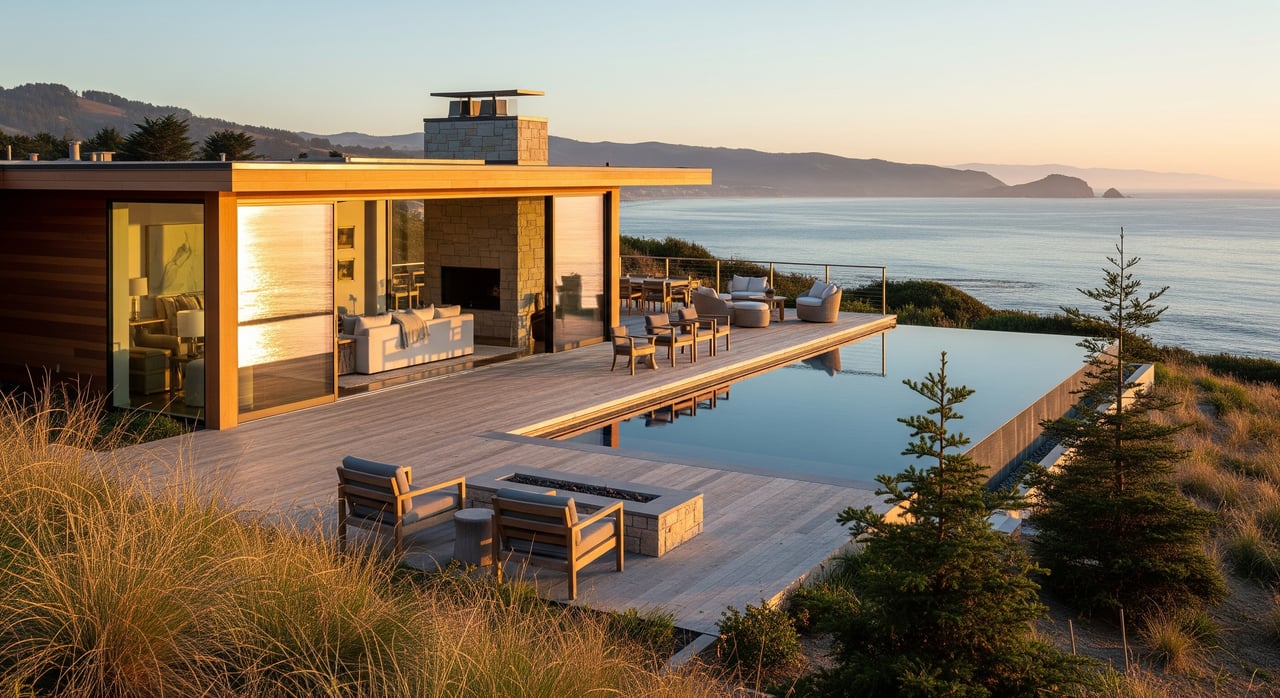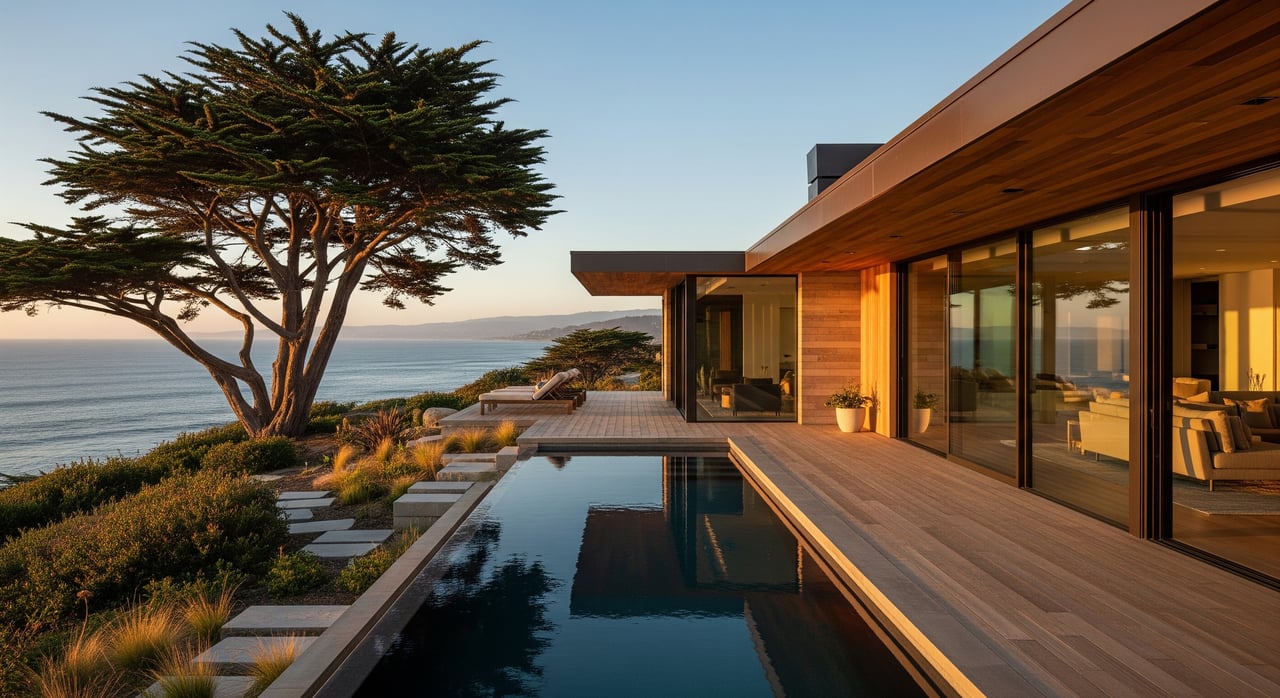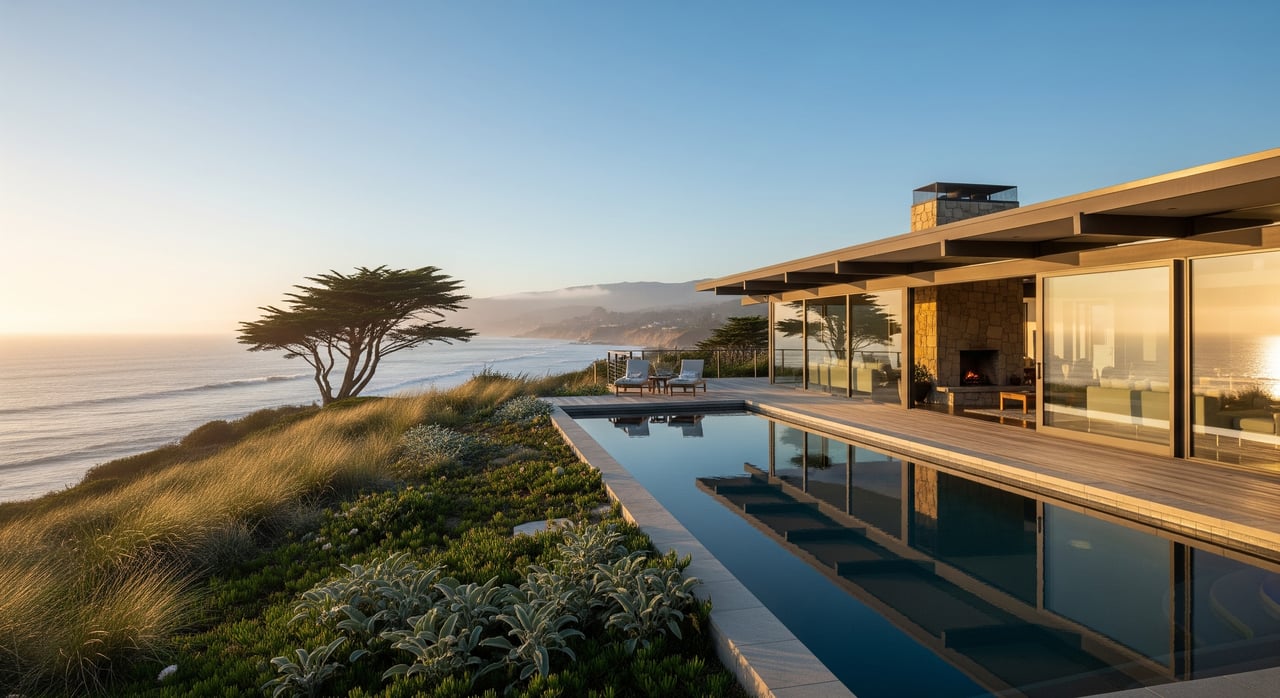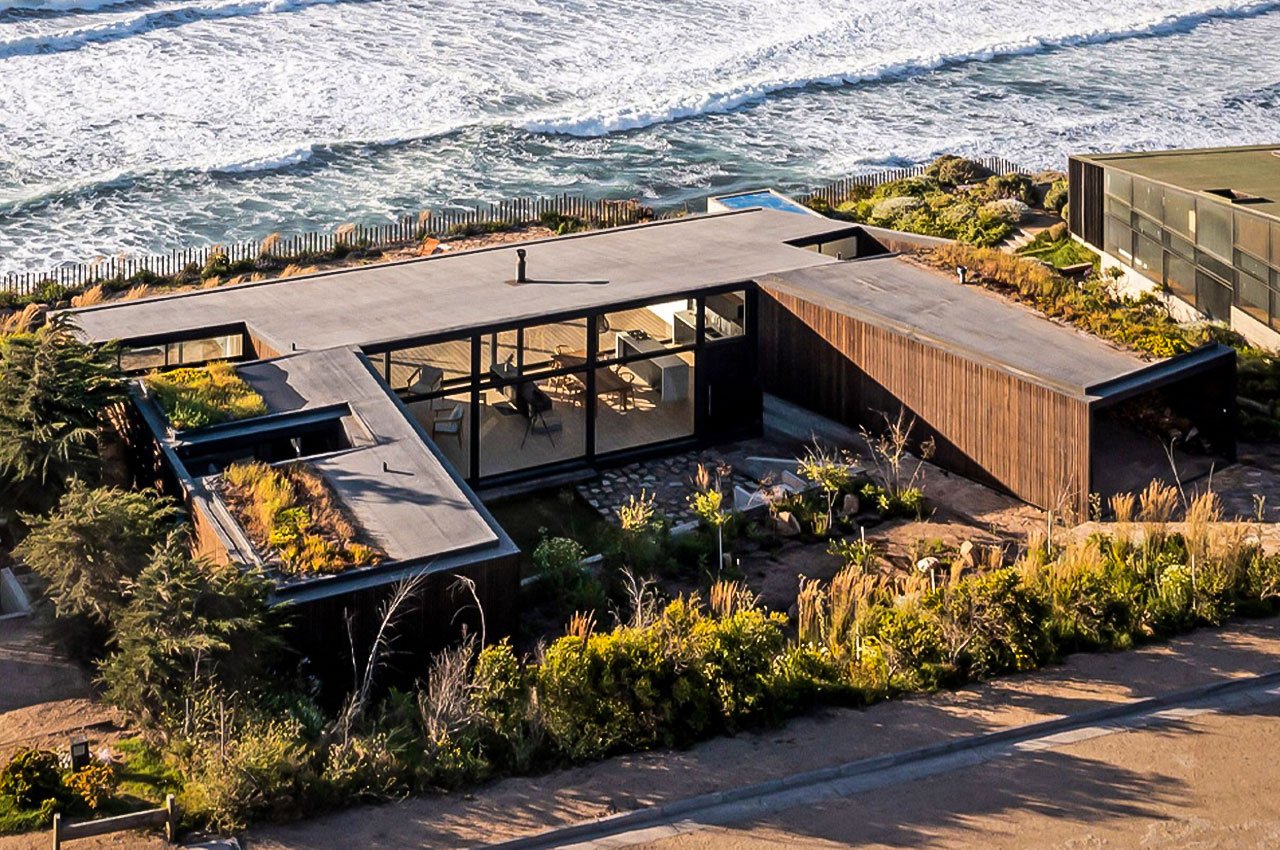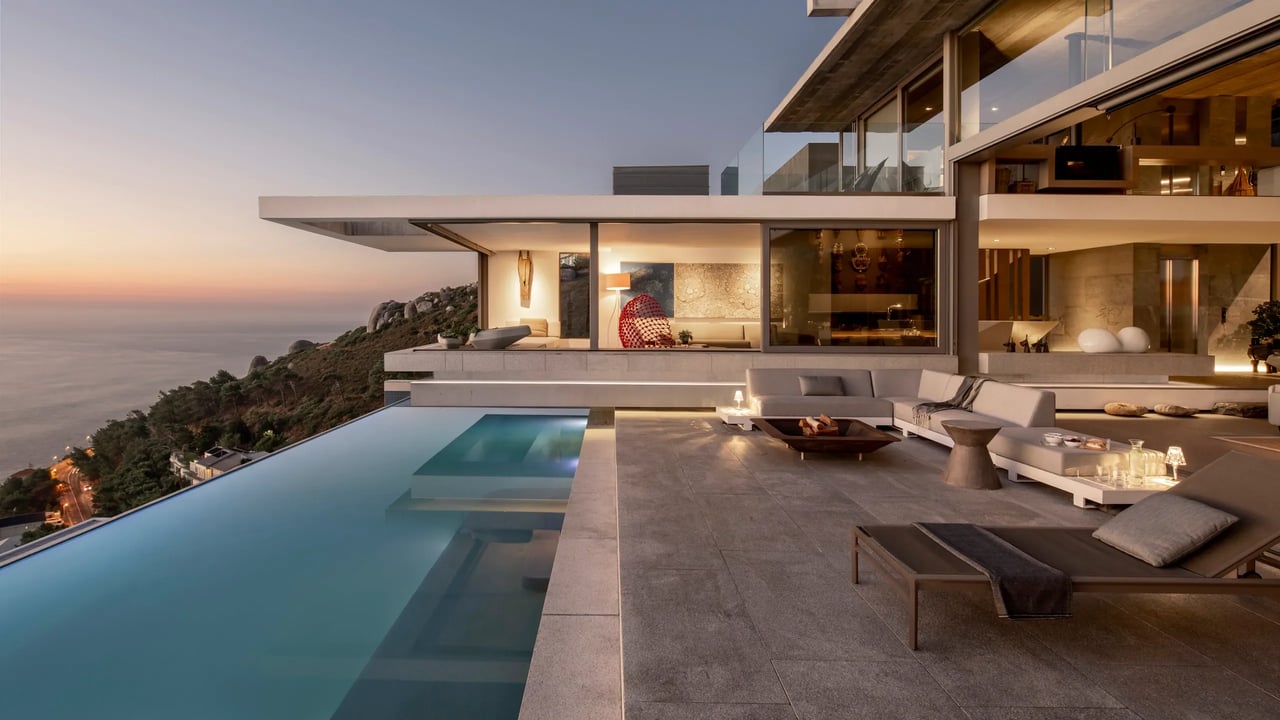
Salt and fog make Seascape magical, but they are tough on homes. Salt-laden air, wind, and persistent moisture speed up corrosion and wear in ways you may not see right away. If you own, plan to buy, or are updating a beach home in Aptos, your material choices matter more than you think. This guide shares the best coastal-ready materials, smart details, and maintenance tips so your home looks great and lasts. Let’s dive in.
Why coastal choices matter in Seascape
Seascape sits in a marine layer zone with frequent fog, steady onshore winds, and airborne salt. Chlorides attack metals, paint and coatings, and even hardware hidden inside assemblies. Moisture can linger on surfaces and in wall cavities, which raises the risk of leaks, rot, and stuck windows or doors. Salt effects fade with distance from the water, but exposed homes near the shore or on wind paths still need coastal-grade solutions.
Metals that last near the ocean
Salt drives pitting and galvanic corrosion in many metals. Choose wisely and match materials to reduce early failure.
- Fasteners and hardware: Use 316 stainless steel for screws, bolts, connectors, and exterior hardware. Silicon bronze is a premium choice for exposed architectural pieces.
- Railings and trims: 316 stainless or marine-grade aluminum with high-performance factory coatings. Isolate dissimilar metals to avoid galvanic reaction.
- Galvanized steel: Works for some structural parts if hot-dip galvanized, properly detailed, and painted, but expect a shorter life than 316 stainless near spray and wind.
- Coatings: Select specification-grade finishes suited for severe coastal exposure, such as PVDF systems that meet AAMA 2605 performance.
- Care: Rinse exposed metal with fresh water on a regular schedule and inspect hidden fasteners.
Cladding that sheds water and dries
Your wall system should stop water and also dry quickly. A rainscreen design is the gold standard for foggy, salt-air climates like Seascape.
- Rainscreen assemblies: Create a drained, ventilated gap behind the siding to promote drying and reduce trapped moisture.
- Fiber cement: Stable and resilient in coastal conditions. Use corrosion-resistant fasteners and proper flashing.
- Engineered composites: Consider coastal-rated products and verify warranties for marine exposure.
- Metal panels: Aluminum or coated steel with PVDF finishes and compatible fasteners can perform well when detailed with gaskets and thermal breaks.
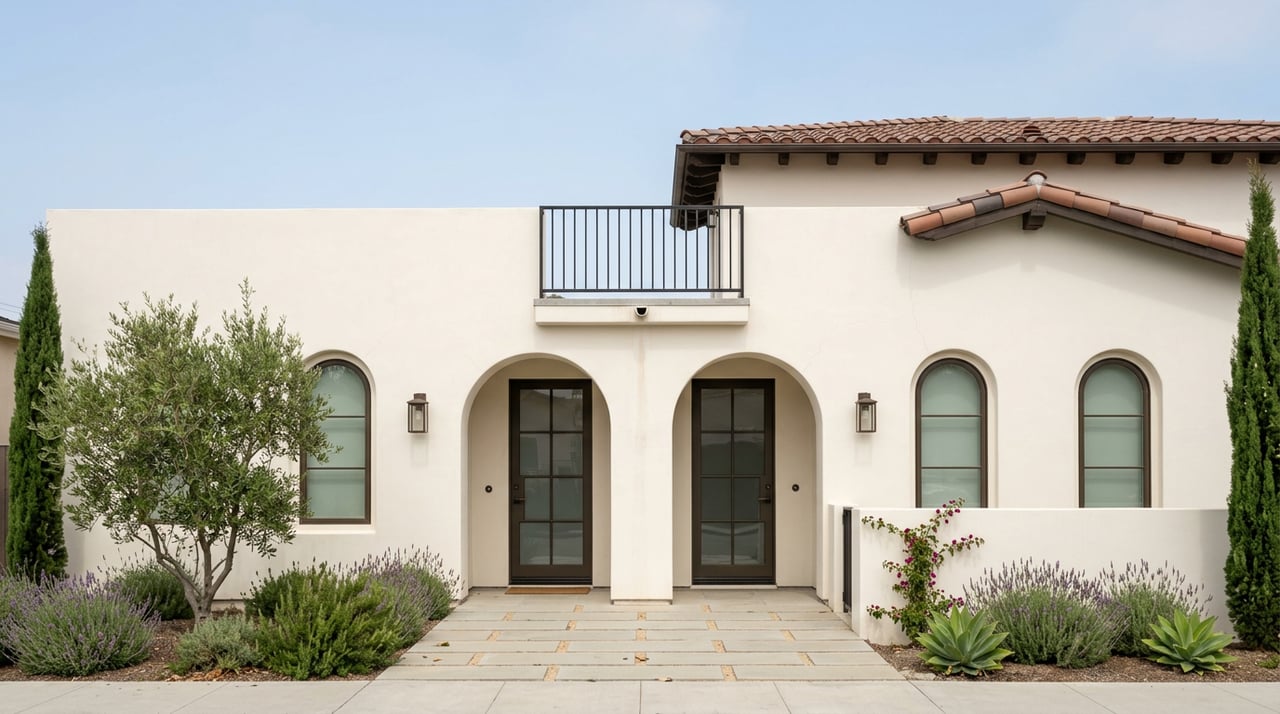
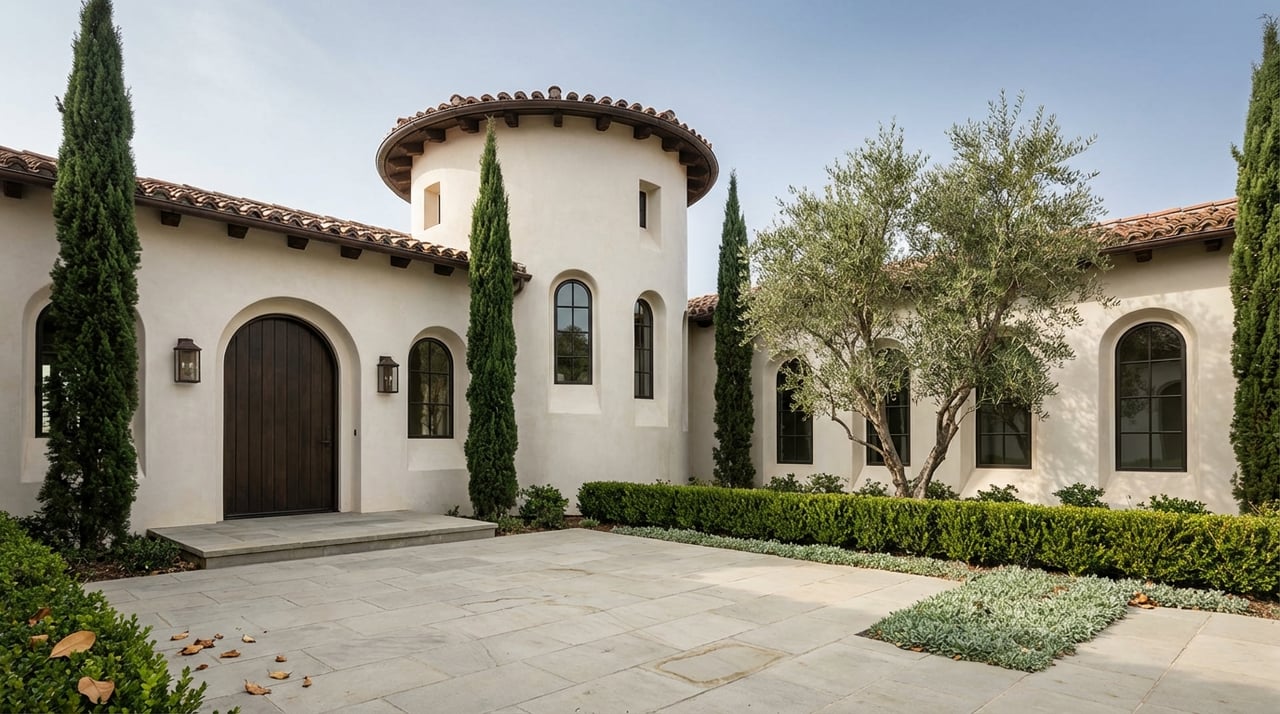
- Stucco: Avoid single-layer assemblies without drainage. If used, pair with a robust water-resistive barrier, continuous flashing, and a vented cavity.
- Sealants and WRB: Use marine-rated sealants and a durable WRB/air barrier. Maintain continuous flashing at all penetrations.
Windows and doors for salt air
Frames, seals, and hardware take a beating in beach environments. Focus on corrosion-resistant materials, high-performance finishes, and careful installation.
- Frames: Thermally broken, powder-coated aluminum meeting severe-environment finish standards (AAMA 2605) or fiberglass frames are strong choices.
- Anchors and screws: Use stainless fasteners (preferably 316). Avoid plain galvanized anchors.
- Glazing: Insulated glass with appropriate low‑E coatings. Use tempered glass where required.
- Installation: Tie openings into the WRB with compatible flashing tapes. Include sloped sills and sill pans, and maintain the rainscreen drainage path.
- Hardware: Choose corrosion-resistant hardware and keep weep holes clear.
Decks, railings, and fasteners
Deck systems live in the splash zone. Materials and connections are the difference between a long-lasting deck and early replacement.
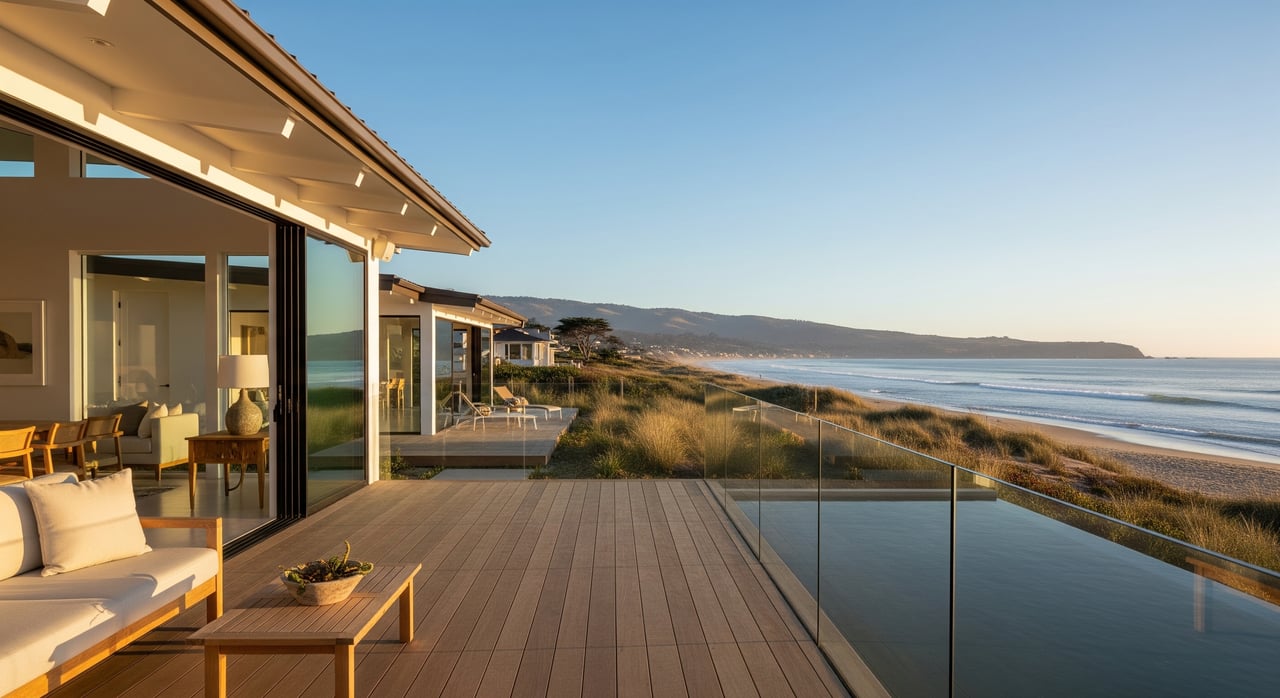
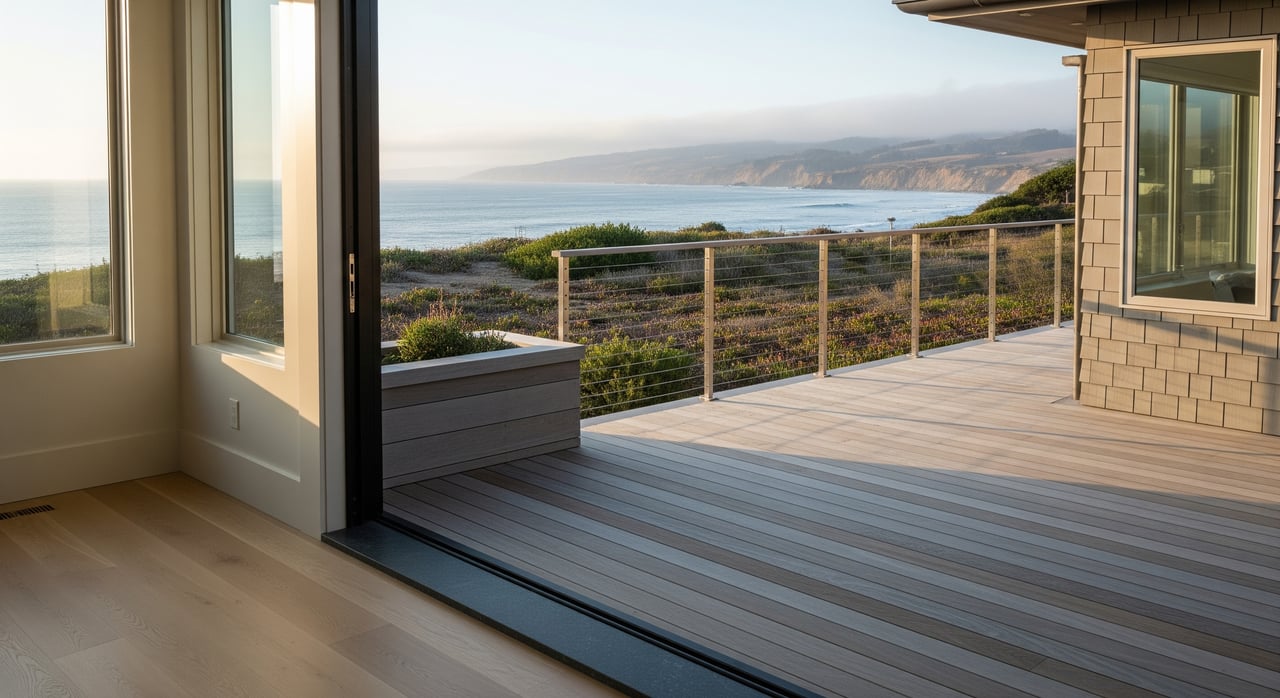
- Decking: Naturally durable hardwoods like teak or ipe age well and do not require film finishes to perform. Capped composites and PVC decking can work when installed per coastal guidance.
- Structure: Use high-quality preservative-treated lumber per AWPA guidance, and pair with 316 stainless or silicon bronze fasteners.
- Railings: 316 stainless or coated aluminum outperform painted mild steel. Hidden fastener systems reduce exposed metal and visual staining.
- Care: Clean surfaces to remove salt and recoat or oil per product instructions. Inspect fasteners and connections annually.
Roofs, gutters, and flashings
Roof systems face UV, wind, and salt. Details and compatible metals extend service life.
- Roofing: Standing seam aluminum with PVDF finish performs well when paired with compatible clips and stainless fasteners. Clay or concrete tile is durable with proper underlayment and flashing. Higher-grade asphalt shingles can be used, though finish life is often shorter at the coast.
- Gutters and downspouts: Use coated aluminum or stainless. Avoid bare carbon steel.
- Flashings: Stainless steel, coated aluminum, or properly protected copper are reliable. Minimize dissimilar metal contact.
- Maintenance: Keep gutters clear and check joints and penetrations for corrosion.
HVAC and indoor moisture control
Airborne salt targets outdoor units and electronics, while foggy conditions can raise indoor humidity.
- Equipment: Look for “coastal packages” with coated coils, hydrophobic finishes, stainless hardware, and protective housings. Consider sacrificial anodes where specified.
- Placement: Set condensers in sheltered spots with good airflow, away from direct spray and wind.
- Ventilation: Use continuous mechanical ventilation sized for the home, and ensure bath and kitchen fans exhaust outside.
- Service: Schedule maintenance at least twice a year and rinse coils with fresh water as recommended.
Site drainage and coastal landscaping
Good site design reduces salt contact and moisture around your foundation.
- Grading: Maintain positive drainage from roof to ground and away from walls.
- Hardscape: Avoid details that trap salty runoff near the house.
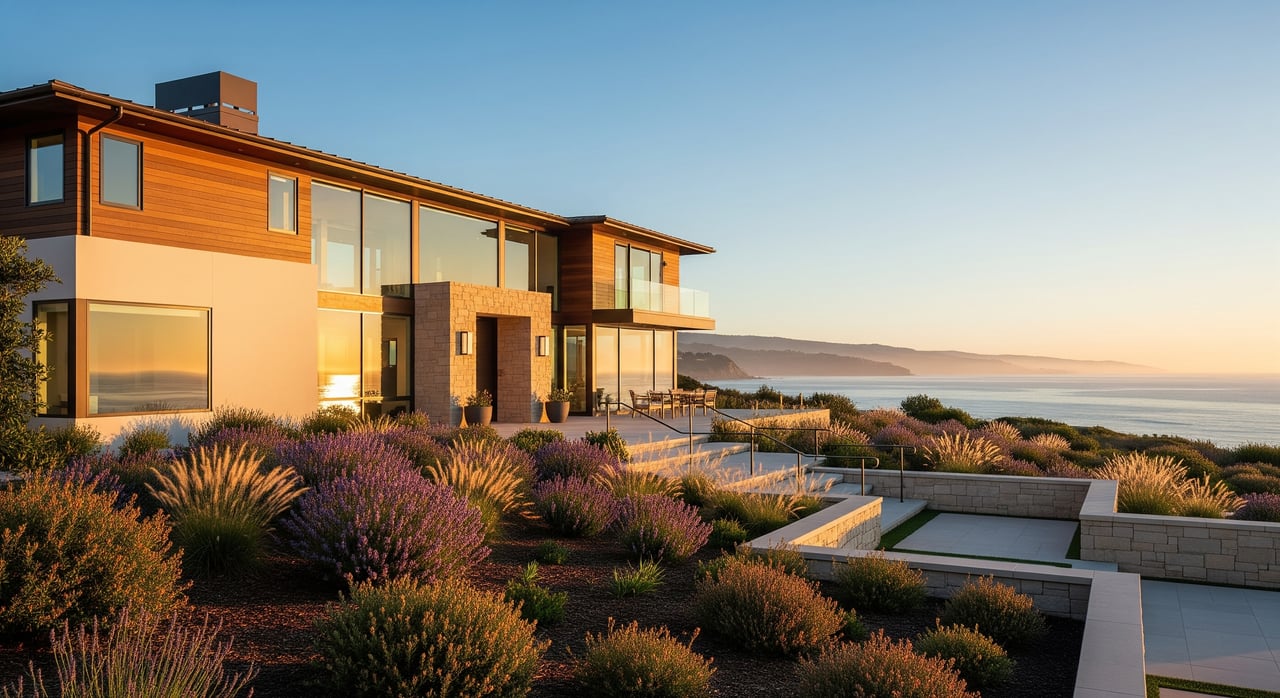
- Plantings: Use salt-tolerant, noninvasive species and consider windbreaks to limit salt deposition. Consult local extension resources for native options.
- Bluff areas: If your property sits near a coastal bluff, coordinate early with planning authorities on setbacks and stabilization policies.
Buyer checklist for Seascape homes
When you tour a home in Seascape, look for signs the builder or owner chose coastal-ready solutions.
Positive signs:
- 316 stainless fasteners at decks and exterior trims.
- Rainscreen cladding details and visible drainage gaps.
- Aluminum or fiberglass frames with high-performance finishes and stainless anchors.
- HVAC units with coated coils located in sheltered areas.
- Coated aluminum or stainless gutters and robust flashing work.
- No chronic staining, rot, or fogged insulated glass.
Red flags:
- Rust stains around flashings, windows, eaves, and deck connections.
- Peeling paint with corroded metal underneath.
- Exposed mild steel fasteners or flaky metal components.
- Repeatedly fogged window panes indicating failed seals.
Maintenance plan for coastal longevity
A simple plan helps you stay ahead of salt and moisture.
- Exterior scan: Once a year, walk the exterior to check coatings, sealants, flashings, and gutters.
- Deck care: Clean and freshwater-rinse 1 to 2 times per year; recoat or oil per product specs.
- Metal rinse: Hose down exposed metalwork periodically to remove salt deposits.
- HVAC: Service at least twice yearly, including coil cleaning.
- Paint and coatings: Expect shorter cycles than inland; inspect often and touch up early.
- Water heaters: Check anodes and domestic hot water components more frequently near the coast.
Permits, codes, and standards to know
Plan ahead, especially for projects near the shore or on bluff-adjacent parcels.
- Local authorities: Santa Cruz County Planning Department oversees coastal development permits. The California Coastal Commission provides coastal policies and setback guidance.
- Building codes: Follow the California Building Code for structure, energy, and fire requirements.
- Technical standards: AAMA standards guide window performance and finishes (AAMA 2605). AMPP and ISO 9223 inform corrosion risk and material choices. AWPA covers treated wood, and ASHRAE and HVAC makers publish coastal installation guidance.
- Product documents: Review manufacturer technical data sheets and warranties for “coastal” or “marine” exposure notes before you build or buy.
Make confident upgrades with a local partner
Selecting the right materials is only part of the equation. Detailing, installation quality, and a realistic maintenance plan protect your investment and your peace of mind. If you are planning updates or weighing a purchase in Seascape, partner with a team that lives and works on this coast every day. For private guidance tailored to your property, connect with The DeBernardo Team.
FAQs
What fasteners work best near Seascape Beach?
- Use 316 stainless steel for most exterior screws, bolts, and connectors; consider silicon bronze for select exposed hardware.
Do I need a rainscreen on a beach home in Aptos?
- Yes, a drained and ventilated rainscreen helps walls dry in foggy conditions and reduces trapped moisture issues common near the ocean.
Are aluminum windows okay in salt air?
- Yes, when thermally broken and finished with severe-environment coatings that meet AAMA 2605, paired with stainless anchors and compatible hardware.
How often should I service HVAC at the coast?
- At least twice per year, with coil cleaning and periodic freshwater rinsing, and more often if units face direct wind or spray.
Can I use composite decking by the ocean?
- Many capped composites and PVC boards perform well when installed per coastal guidance; always confirm the manufacturer’s marine exposure recommendations and warranty.