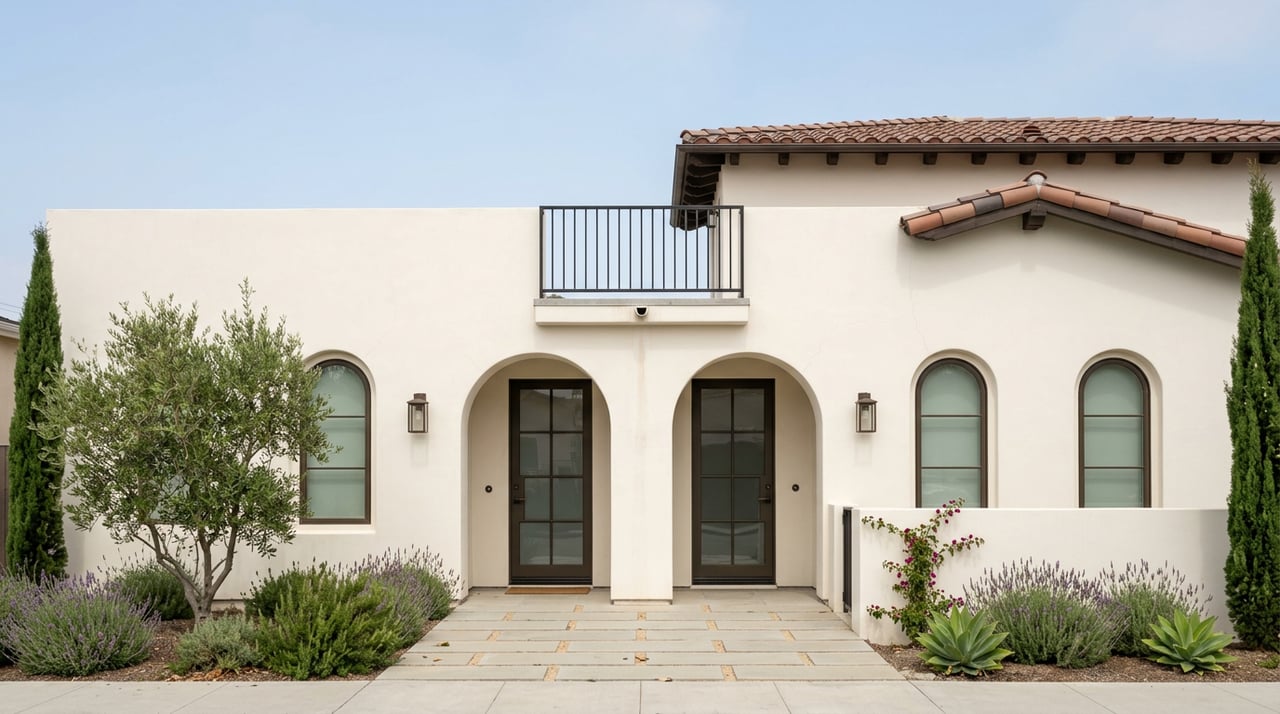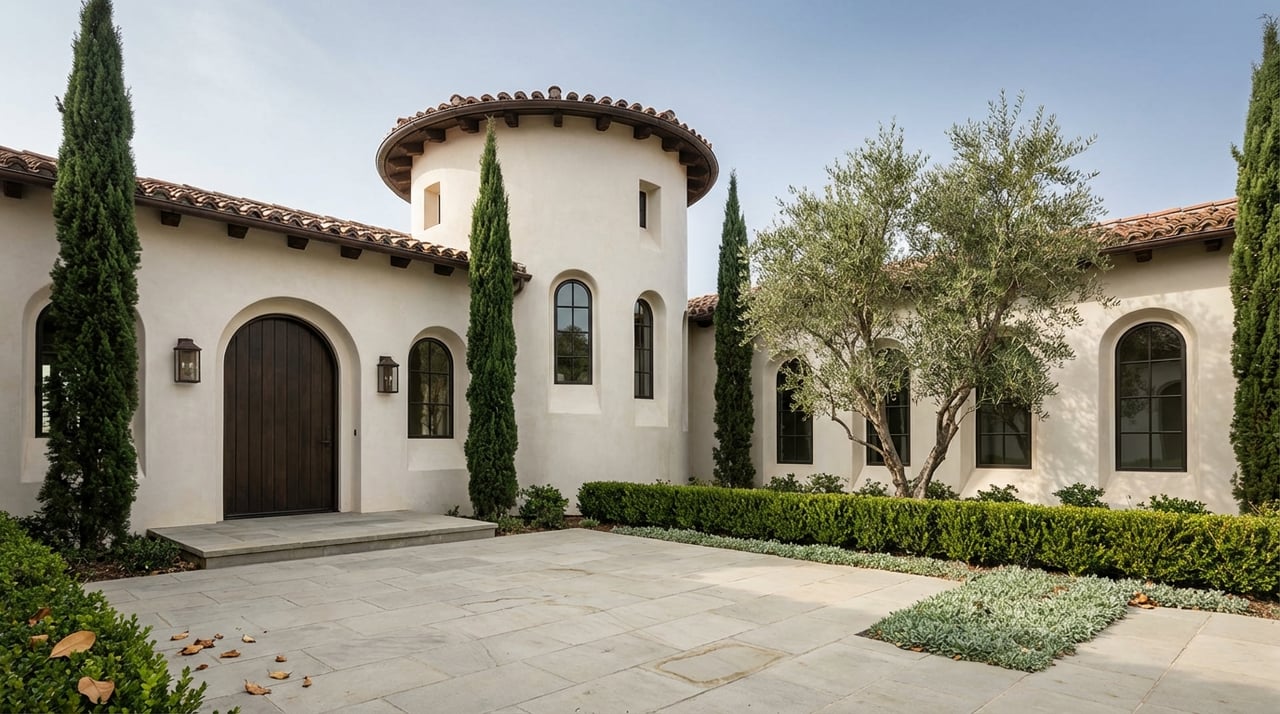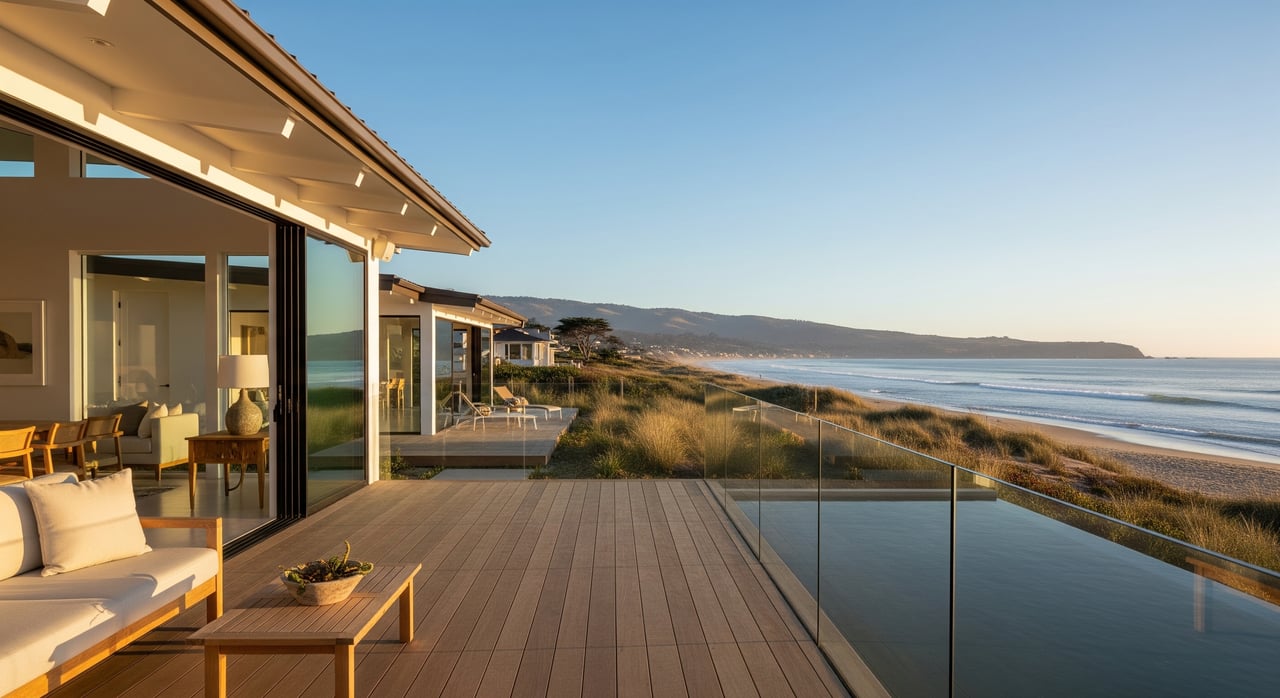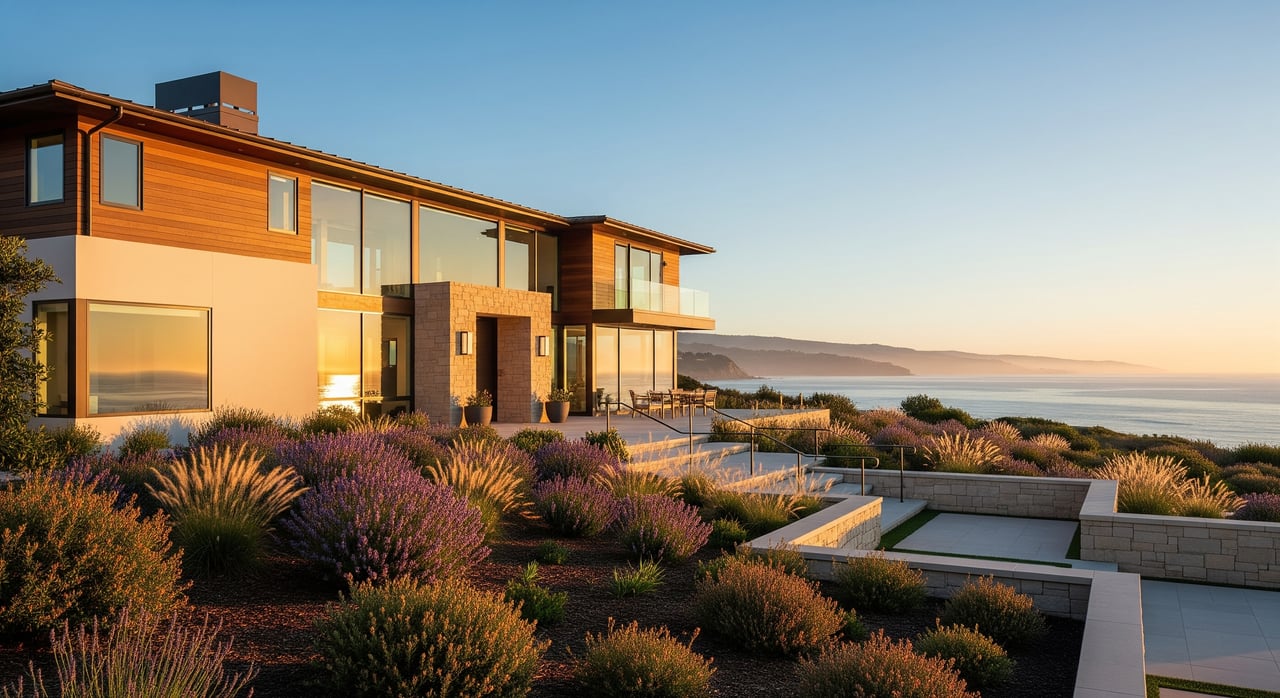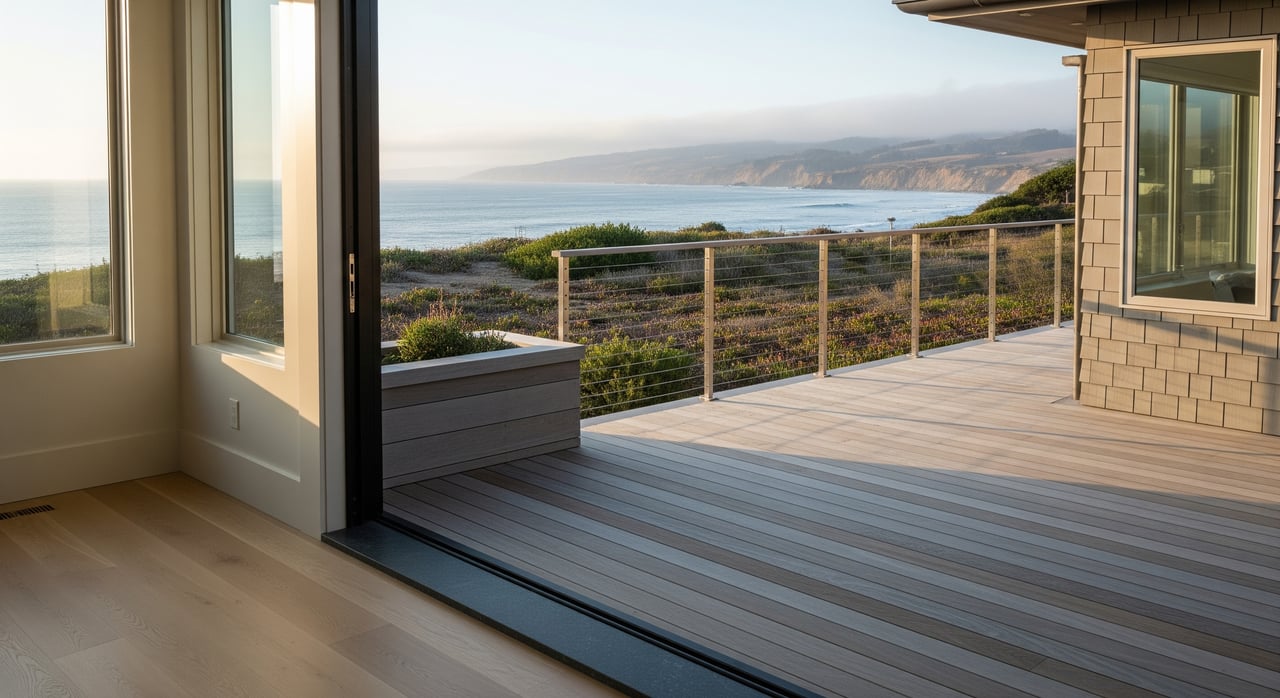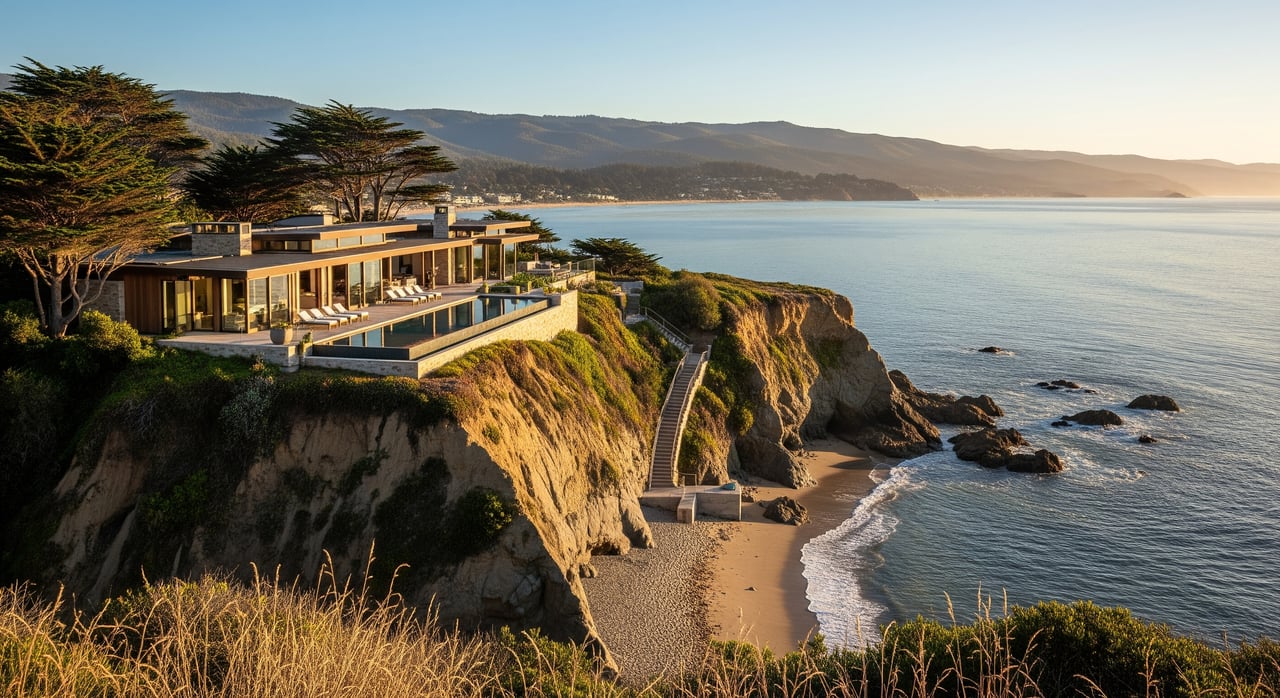
You want the ocean air, the wide beaches, and a true break from the Bay Area grind without spending half your weekend in the car. Aptos delivers that reset. It gives you a coastal lifestyle, real convenience, and a range of property options that work for second‑home use and occasional rental. In this guide, you’ll learn why Aptos stands out, which neighborhoods to consider, what to expect from the market, and how to navigate rules, insurance and due diligence with confidence. Let’s dive in.
Why Aptos fits Bay Area life
Aptos offers proximity and escape. You can reach it by car within roughly 45 to 90 minutes from many Silicon Valley areas, depending on origin and traffic, using State Route 1 as the main corridor. Most weekend trips are simple day or overnight drives, while regional airports in San Jose, Monterey and San Francisco support longer travel when needed.
The lifestyle is outdoors-forward. You have long beaches, coastal trails, surfing spots, golf, and a mild climate that keeps you outside year‑round. Dining, shopping, and entertainment options in nearby Capitola and Santa Cruz add variety without losing the relaxed coastal pace.
Buyers also see relative value. For many, Aptos feels more attainable than some higher‑profile coastal towns while staying close to Silicon Valley. With remote and hybrid work still common, longer stays and midweek use are realistic, which boosts the value of a second home. Some buyers pursue supplemental rental income as well, subject to local short‑term rental rules.
Neighborhoods at a glance
Seascape
Seascape blends resort amenities with residential ease. You’ll find the Seascape Golf Club nearby, plus areas around Seascape Beach Resort. The housing mix includes condos, townhomes, and single‑family homes, with many properties drawing buyers who want lower maintenance, golf adjacency or planned‑community elements.
Rio Del Mar
Rio Del Mar is known for long beaches and coastal bluffs. You’ll see a mix of bungalow‑era homes and newer construction, with numerous beach access points. Many buyers prioritize direct beach access and ocean views here.
Aptos Village
Aptos Village offers a small, walkable center with restaurants, coffee shops and local services. It’s appealing if you value a neighborhood feel and like to step out for everyday essentials.
Nearby options
Depending on your needs, you may also compare Aptos Hills, Rancho Del Mar, or even Capitola and Soquel. These nearby subareas often show up on the same tour list for buyers exploring price bands, privacy, and access.
Property types buyers choose
- Condos and townhomes. These are popular second‑home choices because they tend to be low maintenance and often close to beaches or community amenities.
- Single‑family homes. Options range from beach bungalows to modern renovated homes if you want more privacy, yard space, or extra rooms for extended family stays.
- Older cottages and mid‑century homes. Many buyers love the character and proximity to the coast but plan for modernization where needed.
- Newer or extensively renovated homes. If you prefer turnkey living, newer builds and updated properties deliver modern systems and finishes that suit periodic use.
Match the property to your use pattern. If you travel often, low‑maintenance options near the beach may serve you best. If you host family for longer stretches, look for flexible layouts, outdoor spaces and storage.
Market dynamics to know
Inventory along the coast is typically constrained. Homes close to the beach turn over less frequently, so you’ll want to watch the market and be prepared when a good fit appears. Competition is common, especially in the spring and summer when buyers are most active.
Many Bay Area buyers come in with strong financing or cash and request flexible closing windows that match second‑home schedules. Expect premiums for beach proximity and ocean views. If you are price‑sensitive, consider moving slightly inland while maintaining quick beach access.
Short‑term rentals: a reality check
Rental revenue can be part of the second‑home playbook, but local short‑term rental rules vary and can change. Before assuming any income, confirm whether STRs are allowed for the specific property and what permits, registrations, and transient occupancy tax requirements apply. Check any HOA rules as well. Compliance and enforcement are active across jurisdictions in Santa Cruz County and nearby cities.
If you plan to rent, verify current regulations with the Santa Cruz County Planning Department and related municipal code pages in neighboring jurisdictions. Consider consulting a local property manager who understands permitting, occupancy tax, and on‑the‑ground demand patterns. Do not make offers based on unverified rental projections.
Costs, financing, and insurance
Second‑home loans often carry stricter underwriting and down‑payment requirements than primary residences. Work with a mortgage broker experienced in second‑home financing, especially if you have complex income or stock‑based compensation.
Santa Cruz County property tax rules will apply. Review tax rates and exemptions with the county assessor and factor in transfer and closing costs.
For insurance, coastal properties may carry higher premiums and special coverage considerations for wind, flood or landslide. Check FEMA flood zone maps, consider coastal hazard disclosures, and get multiple quotes from insurers familiar with California coastal risk. When evaluating long‑term value and resale, weigh erosion, sea‑level rise and storm exposure for bluff‑front and beach‑adjacent locations.
Coastal hazard awareness
Coastal settings come with unique disclosure items. If a home is near the shoreline or on a bluff, request available geologic or erosion reports and review any historical records. Ask your agent to obtain hazard disclosures and connect with local planning resources on coastal hazard zones. Understanding site conditions up front helps you make a confident long‑term decision and supports insurability.
Due diligence checklist
Before you write an offer, verify:
- Whether STRs are allowed, and if permits/registrations are current.
- HOA rules on rentals, parking, exterior maintenance and quiet hours.
- Flood zones, bluff stability, erosion history and required disclosures.
- Multiple insurance quotes that reflect coastal risk.
- Typical drive times for your own commute pattern and weekend travel.
- Utilities details, including sewer vs. septic, slope/stability notes, and any tree‑risk reports.
- Seller occupancy history if you are considering rental income.
Weekend logistics and access
Most Bay Area buyers drive to Aptos for day or weekend trips. State Route 1 is the main coastal link, and many Silicon Valley origins reach Aptos within a typical under‑two‑hour window, depending on traffic. When you need to fly, nearby airports in San Jose, Monterey and San Francisco offer options without losing the convenience of a drivable coastal base. For dining, healthcare and entertainment, Capitola and Santa Cruz are close by.
For sellers targeting Bay Area buyers
- Emphasize commute convenience and the ease of short weekend trips.
- Highlight reliable internet and quiet workspaces that support remote or hybrid work.
- Stage and photograph outdoor spaces, views, and beach access points, plus nearby golf or trails.
- Provide transparent documentation on STR history and compliance, HOA rules, and any coastal mitigation or recent repairs.
- Offer flexible weekend showings and high‑quality video tours for remote prospects.
How we help
If you are buying or selling a coastal property in Aptos, you deserve senior‑level guidance, not a one‑size‑fits‑all approach. Our boutique team pairs deep, place‑based expertise with premium marketing and meticulous transaction management. We advise on second‑home selection, valuation, offer strategy, and the practical steps that matter most for coastal assets, including disclosure review, STR considerations and insurance planning.
As a luxury, owner‑led brokerage with a long Santa Cruz County legacy, we keep your goals at the center. That includes buyer advisory, seller representation, investment transactions, and specialized support such as 1031 exchange facilitation and introductions to private financing resources when appropriate.
Ready to explore Aptos, Seascape or Rio Del Mar with a trusted local partner? Reach out to The DeBernardo Team for a discreet, private consultation.
FAQs
How long is the drive from Silicon Valley to Aptos?
- Many buyers report typical drive times of roughly 45 to 90 minutes, depending on your starting point and traffic, with State Route 1 as the primary corridor.
Are short‑term rentals allowed in Aptos?
- Rules vary by location and can change. Confirm current eligibility, required permits and registrations, transient occupancy tax obligations, and any HOA restrictions before assuming STR income.
What maintenance should I expect for a coastal second home?
- Plan for routine exterior care due to salt air exposure, plus attention to roofing, windows, and landscaping. Budget for periodic inspections that account for coastal conditions.
How does coastal insurance differ from inland coverage?
- Coastal policies may involve higher premiums and added coverage for wind, flood or landslide. Check FEMA flood zones and request multiple quotes from insurers experienced with California coastal risk.
How can I check if a home is in a flood or bluff zone?
- Review hazard disclosures, consult FEMA flood maps, and ask for any available geologic or erosion reports. Your agent can coordinate with local planning resources for site‑specific guidance.
How seasonal is short‑term rental demand in Aptos?
- Interest typically rises in spring and summer. Always verify current STR rules, local demand patterns, and compliance requirements before underwriting a purchase on rental income.