Is living next to vines a value boost or a headache in disguise? If you are eyeing Corralitos or considering a sale, the answer depends on what you see, hear, and experience on the ground. Vineyard views and a wine‑country lifestyle can pull in certain buyers, but traffic, events, and rural operations can also change how a property shows and sells. In this guide, you will learn how proximity to the Corralitos Wine Trail can shape buyer demand, time on market, and due diligence, plus practical steps to market or evaluate a home with confidence. Let’s dive in.
What “vineyard neighbors” means in Corralitos
Corralitos sits in southern Santa Cruz County, where small farms, vineyards, and rural homes share the same foothill landscape. The Corralitos Wine Trail blends boutique wineries and tasting rooms into a residential and agricultural setting, not a large commercial region.
This mix supports weekend agritourism with tastings, weddings, and harvest events. It also concentrates visitor activity seasonally, especially during late summer and fall harvest.
County land use rules shape where tasting rooms and events can operate. Permit conditions often address parking, noise, and traffic. You can review permitting and zoning context through the Santa Cruz County Resource Management Agency.
How proximity can add value
Scenic views and open space
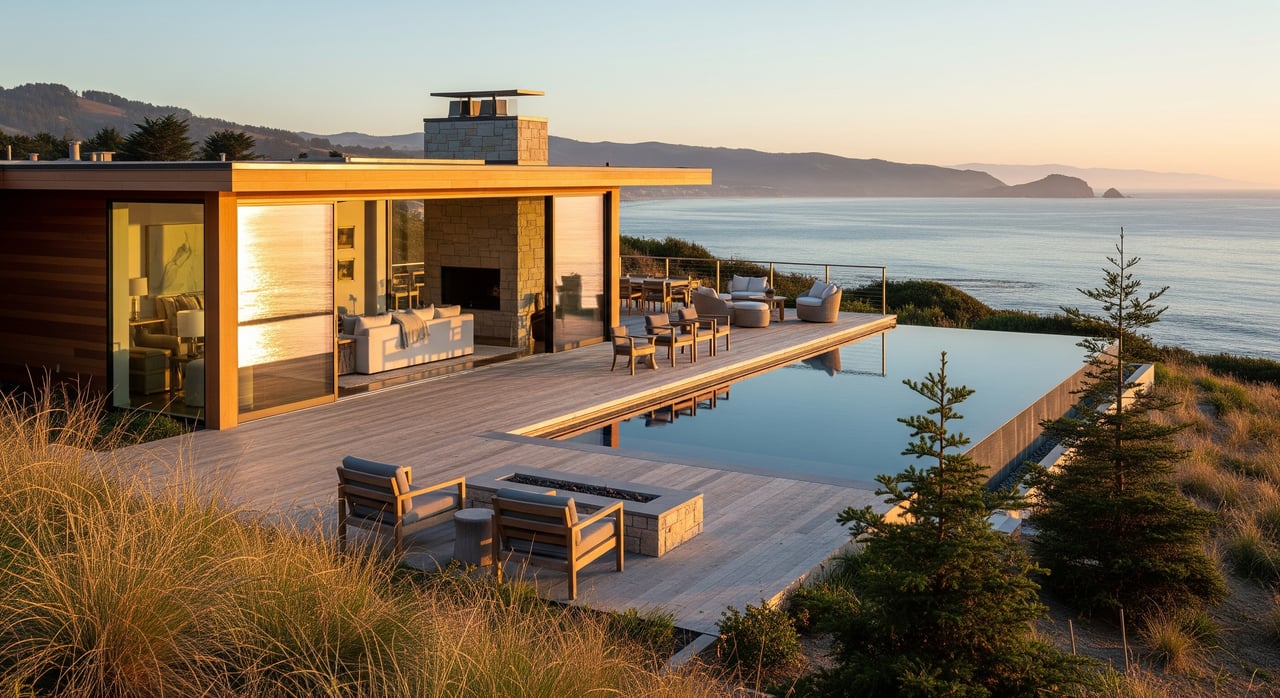
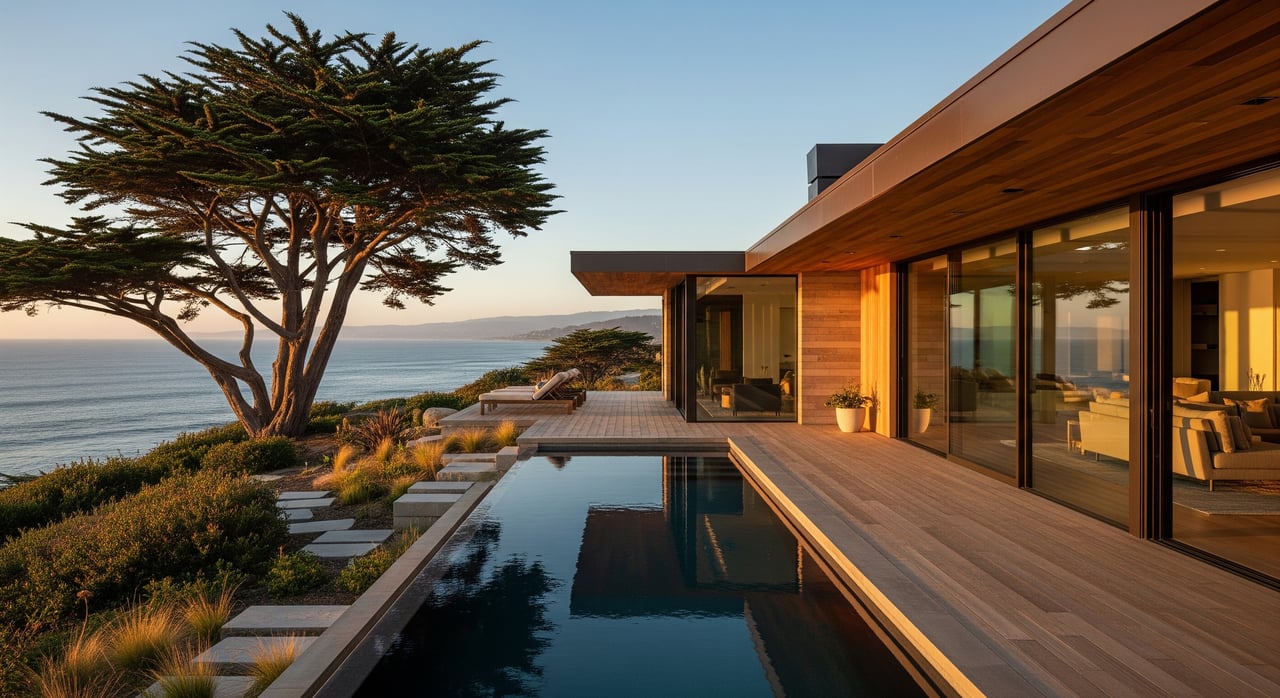
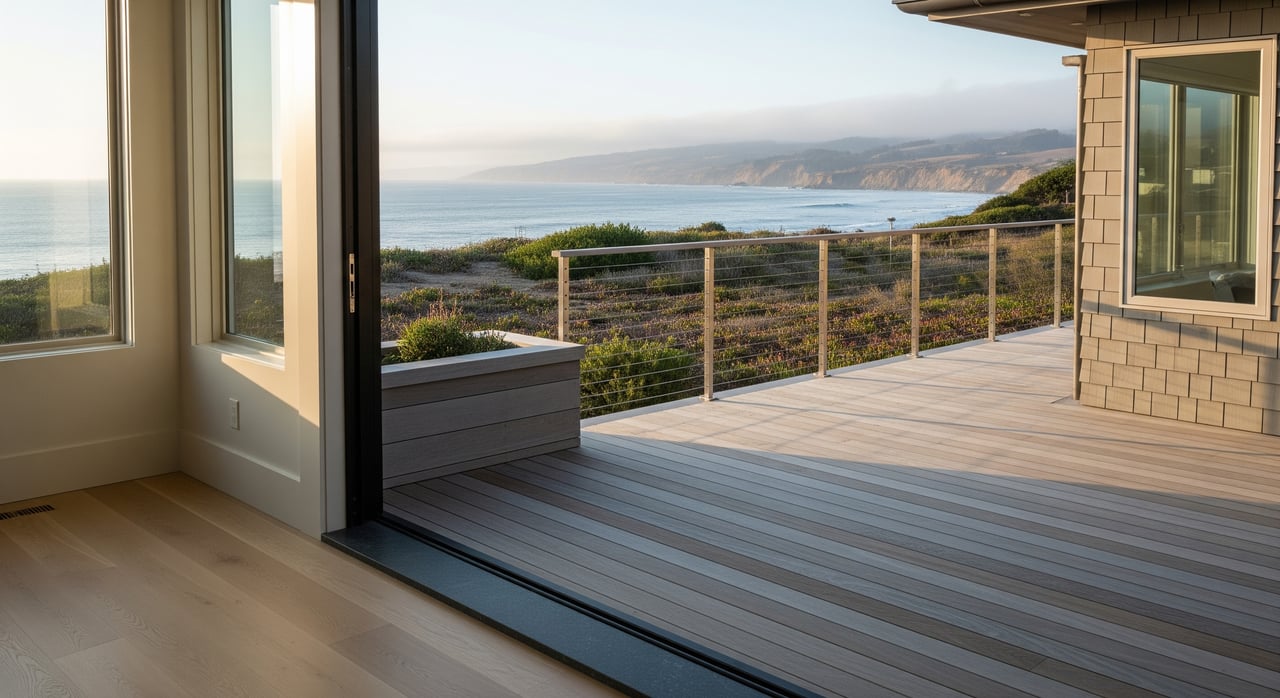
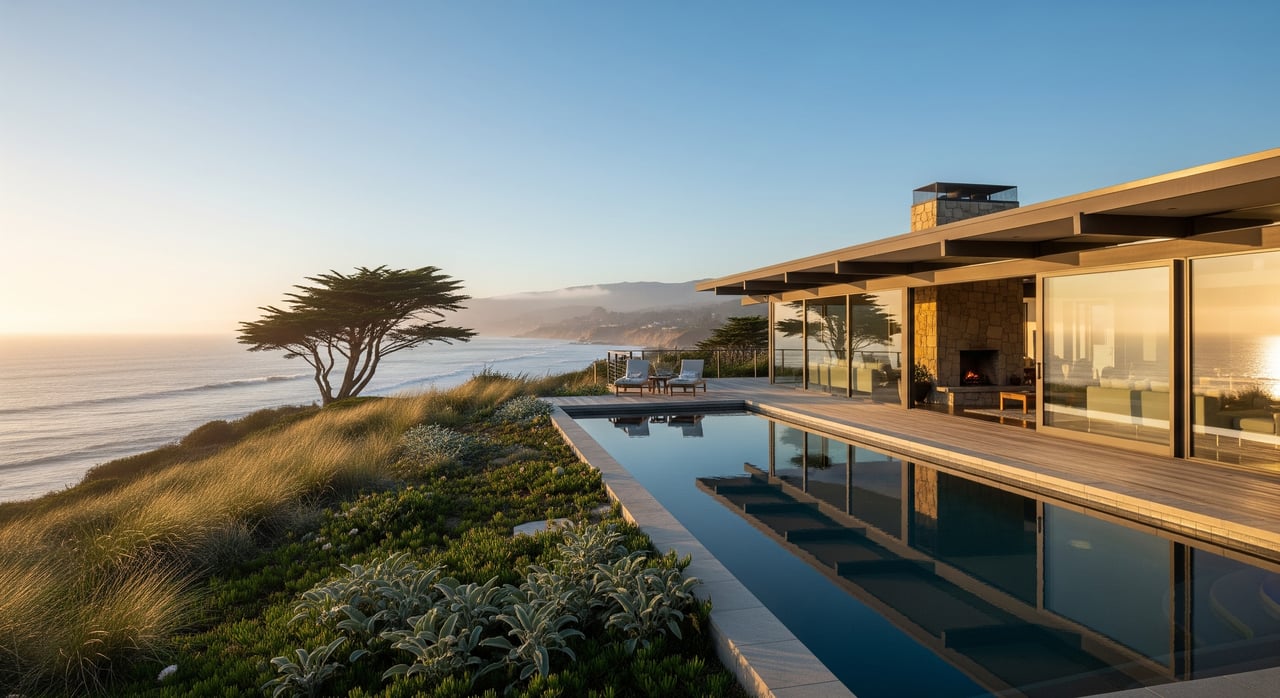
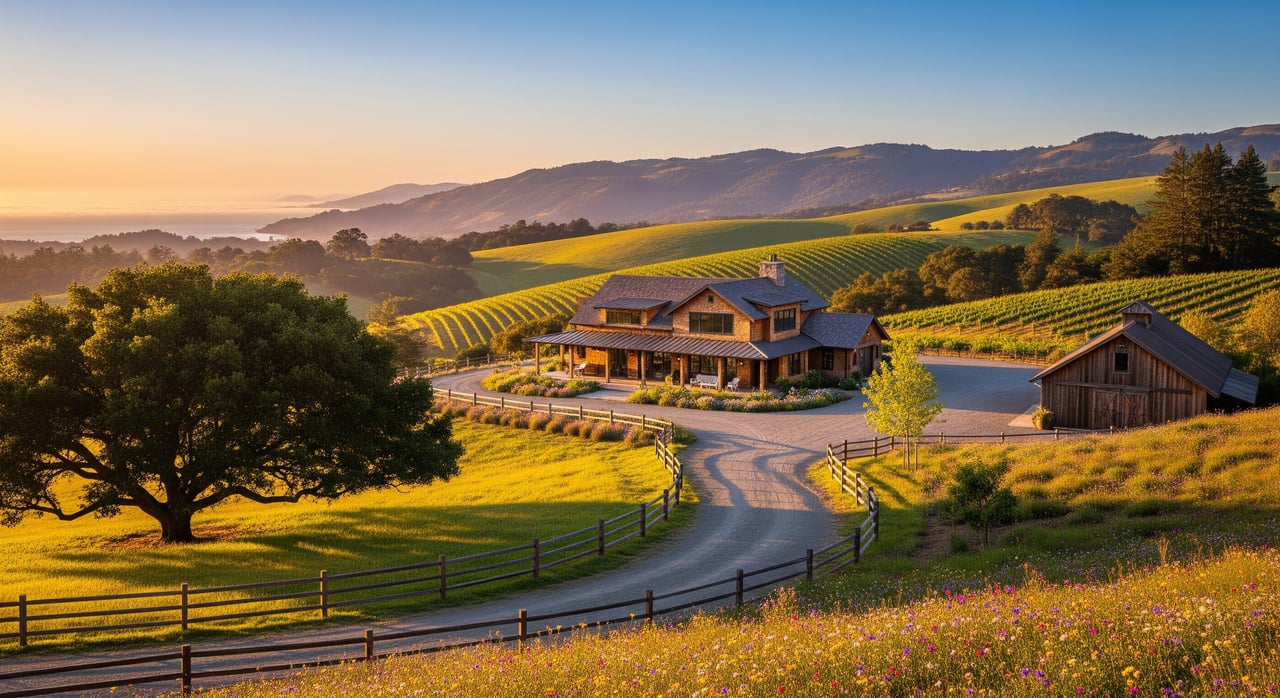
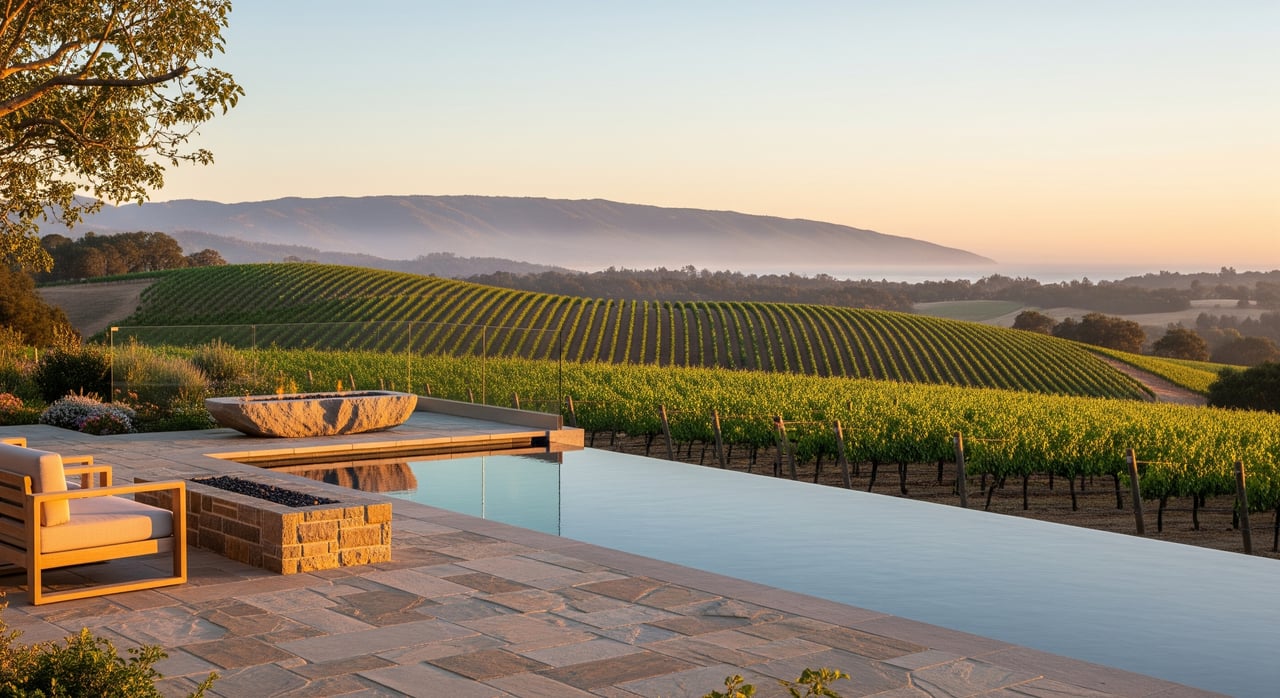
Vineyard vistas are a classic scenic amenity. Long sightlines over agricultural land can make a home feel more private and expansive. Buyers who want a wine‑country setting often respond to the visual appeal of vines and open fields.
Lifestyle and prestige
Easy access to tastings and food‑and‑farm experiences supports a lifestyle narrative that some buyers seek on weekends or as a second‑home perk. Being near a recognized wine area can feel special when you entertain guests.
Supply and privacy benefits
Rural zoning and conservation constraints limit how many comparable parcels come to market. That smaller supply segment can help desirable vineyard‑adjacent homes hold interest among lifestyle‑focused buyers.
Tradeoffs to weigh
Traffic and event activity
Tasting rooms draw weekend visitors. Special events can add parking pressure on narrow rural roads. If you value quiet, you will want to understand event frequency and timing before you buy.
Noise and crowds
Music and guest activity can be noticeable during peak weekends or harvest. Expect variation by property, season, and distance to the event area.
Farm operations and chemicals
Agriculture brings tractors, dust, and occasional odors. Some buyers also ask about pesticide or herbicide practices. You can search local pesticide applications by crop and location through the California Department of Pesticide Regulation.
Wildfire exposure and insurance
Rural settings can sit within higher wildfire hazard zones and smoke can affect comfort during fire season. Check your property’s risk on the Cal Fire Fire Hazard Severity Zone maps and discuss coverage availability and costs with an insurer.
Water, septic, and seasonality
Private wells and septic systems are common. Winery and event operations nearby can shape expectations around on‑site system capacity and future use. Vineyards also look different by season, which can change how a view reads in winter versus summer.
What the market tends to show
Homes with strong views and a clear wine‑country story often see more interest from lifestyle‑oriented buyers. That can show up as faster sales and stronger pricing compared with similar homes without views.
If nuisances are noticeable, you may see longer days on market or added contingencies. Seasonal patterns matter too. Spring and fall can be active periods for showings and tourism.
Because each property and nearby operation is unique, the value impact is not one‑size‑fits‑all. It depends on visibility of vines, event frequency, and operational practices.
How to measure the impact
You can build a practical comparison without getting technical.
- Pull 24 to 36 months of comparable sales and compare homes within about 0 to 1 mile of tasting rooms to similar homes 2 to 5 miles away.
- Flag listings that mention views, “vineyard views,” or “wine country” in the MLS. Compare price per square foot and days on market.
- Note seasonal timing. Check showing activity or listing performance in late summer and harvest versus off‑season.
- Add qualitative checks. Visit during a peak weekend and a weekday to observe traffic, noise, and parking.
For sales history and parcel characteristics, the Santa Cruz County Assessor’s Office provides official records. For broader agricultural context and local best practices, the University of California Cooperative Extension offers regional guidance.
Due diligence checklist
Use this checklist whether you are buying or prepping to sell near the Corralitos Wine Trail.
Map and visit at key times
- Identify nearby tasting rooms and note hours and event calendars. Visit once on a weekday and once on a peak weekend in high season to observe traffic, noise, and parking.
Confirm permits and event limits
- Ask County Planning about conditional use permits, special event limits, and any enforcement actions that apply to nearby wineries or tasting rooms. Start with the County Resource Management Agency.
Review pesticide use and buffers
- Search recent pesticide applications by location using the CDPR Pesticide Use Reporting. You can also speak with the County Agricultural Commissioner for typical buffer expectations.
Check roads, access, and traffic
- Determine if access roads are county maintained, private, or part of a homeowners association. Ask about seasonal traffic conditions and any posted limits near the property.
Verify water and septic details
- Confirm well status, pump performance records, and septic permits or capacity. If you plan changes to the home, align your plans with existing system limits.
Assess wildfire risk and insurance
- Review the property’s hazard rating on the Cal Fire FHSZ maps. Contact insurers early to understand coverage availability, costs, and any mitigation steps.
Ask about noise, parking, and lighting history
- Request any known complaint history or code issues from sellers and agents. A clean record can support peace of mind, while documented concerns invite deeper review.
Review title, easements, and right‑to‑farm
- Search for easements, agricultural agreements, or leases that affect land use. Ask the County about any Right‑to‑Farm protections that may apply locally.
Smart marketing for sellers
A balanced approach helps you attract the right buyers and avoid surprises.
- Lead with verifiable positives. Showcase vineyard views, scenery, and accurate drive times to tasting rooms. Use professional photography to capture seasonal appeal.
- Be transparent about event seasons and typical weekend activity. Buyers self‑select when you present clear facts upfront.
- Time showings around known event calendars. If a showing overlaps an event, set expectations in advance so buyers understand it is not the norm every day.
- Support your price with local comparisons. Reference performance of similar view homes and days on market trends rather than promising a premium without data.
Negotiation ideas for buyers
If you value quiet or have sensitivities, build protection into your process.
- Include inspection contingencies for well, septic, and environmental concerns. Ask for time to visit during a peak weekend.
- If concerns arise, discuss price adjustments or closing credits to fund mitigation like landscape buffers.
- Consider an escrow holdback tied to verification of event frequency or resolution of specific issues before release.
When a vineyard neighbor helps most
The upside tends to be strongest when you have direct vineyard views, tasteful event management nearby, and good road access. If the property’s lifestyle narrative aligns with what you want, proximity can enhance long‑term enjoyment and appeal when you resell.
If your priority is deep quiet, you can still benefit from open space buffers and views. You will just want more diligence on event frequency, traffic, and farm operations.
Partner with a local advisor
Every Corralitos property and winery neighbor is different. The best outcomes come from careful data work, on‑site observation, and measured positioning on the market. If you are considering a move or want a second opinion on value, you can get tailored guidance on due diligence, pricing, and presentation.
Request a private consultation with Unknown Company to discuss your goals and next steps.
FAQs
Do homes near Corralitos tasting rooms usually sell for more?
- They often see stronger interest from buyers seeking a wine‑country lifestyle, especially with direct vineyard views, but results vary by event activity, access, and property specifics.
How can I verify a nearby winery’s event limits before I buy?
- Contact the County Planning team through the Resource Management Agency to review conditional use permits, event caps, and any enforcement history.
Are pesticides a concern next to vineyards in Santa Cruz County?
- You can search local application records by crop and location using the California Department of Pesticide Regulation’s resources and consult the County Agricultural Commissioner for guidance.
How do I check wildfire risk for a Corralitos property?
- Look up your address on the Cal Fire Fire Hazard Severity Zone maps and ask insurance providers about coverage availability and required mitigation.
What should sellers disclose if their home is near a tasting room?
- Disclose nearby commercial uses, known event schedules, and any material factors affecting comfort or access, then frame verifiable positives like views and accurate drive times to attractions.