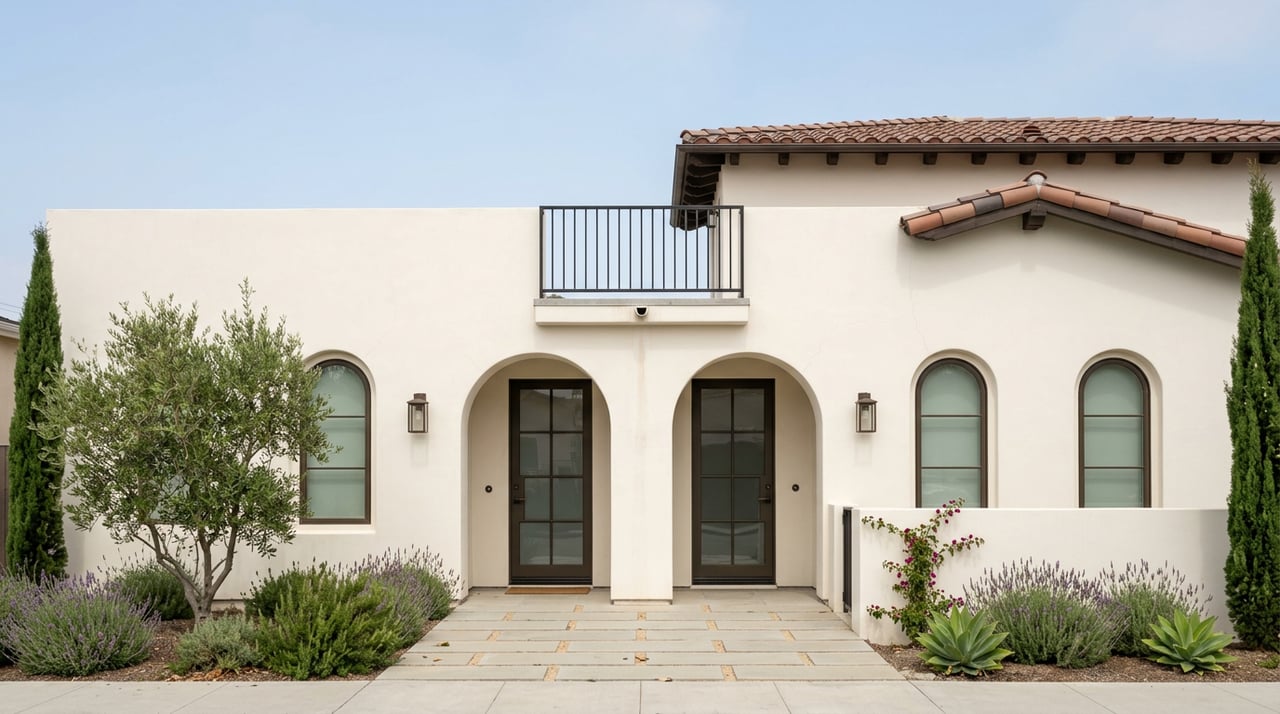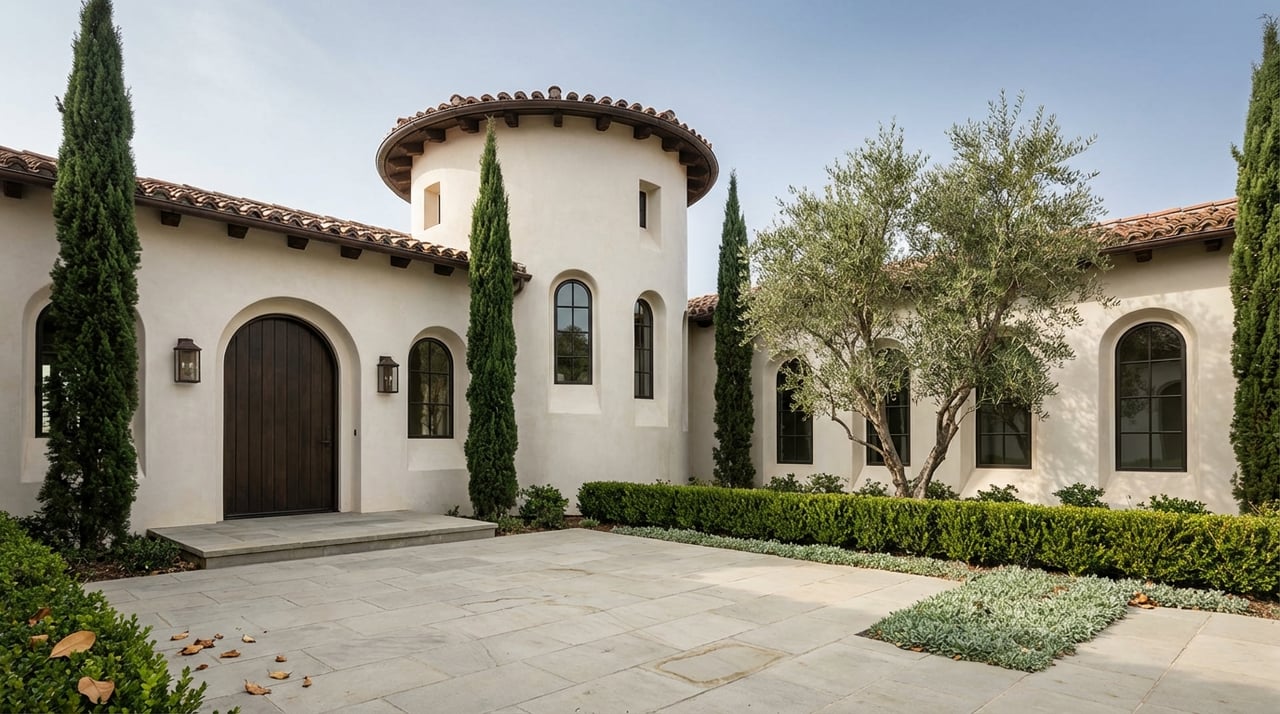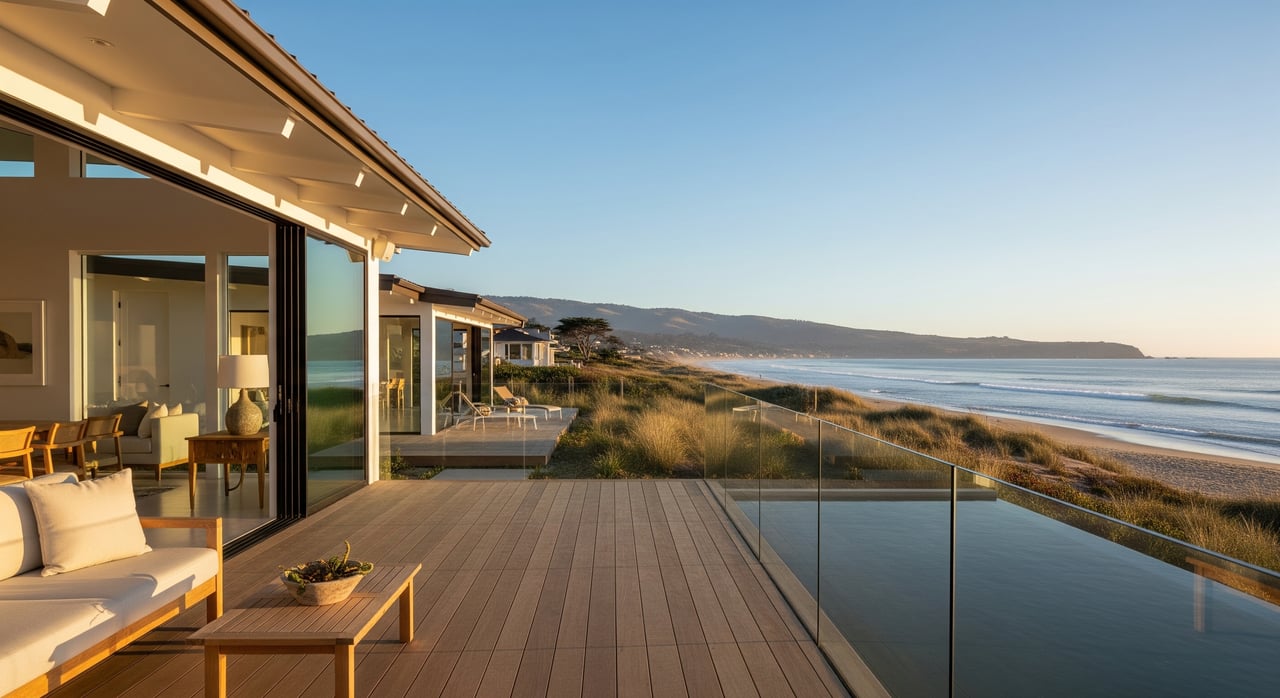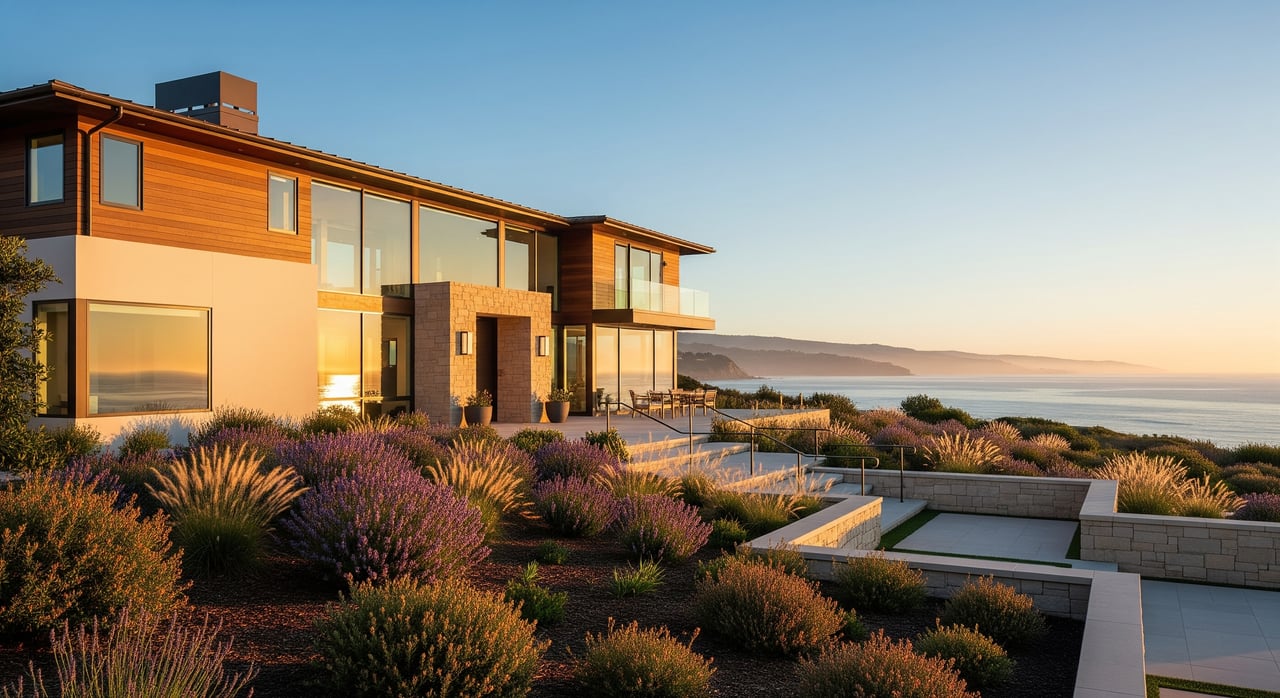
Is timing your move in West Santa Cruz really that important? If you have watched homes fly off the market in spring and linger in winter, you already know that seasonality can shape price, pace, and negotiating power. You want clarity on when to list or buy so you can protect your time and maximize value. In this guide, you will learn how the seasonal cycle works locally, how the coast and UCSC influence demand, and how to tailor your strategy in any month. Let’s dive in.
West Santa Cruz seasonality at a glance
Seasonality is real in most housing markets. Listings and buyer traffic typically rise in late winter, peak in spring and early summer, then slow in fall and reach their low in late fall and winter. That rhythm influences inventory, days on market, multiple offers, and sale‑to‑list outcomes.
West Santa Cruz follows the pattern, but local factors reshape the curve:
- Mild coastal climate. Weather rarely prevents showings, so seasonality is less about storms and more about life timing.
- Tourism and second homes. Summer visitors and lifestyle buyers keep interest steady through July and August.
- UCSC calendar. Late August move‑in increases rental activity near campus and can pull some investors or parent‑buyers into the market.
- Short‑term rentals. Local rules shape investor appetite. Changes in ordinances can shift when investors act.
- Bay Area spillover. Remote work and commuter demand from the region can amplify or mute typical seasonal peaks, depending on jobs and rates.
How listings, demand, and prices move by season
Listing activity
Most sellers list from late winter to spring to capture rising traffic and strong curb appeal. In West Santa Cruz, some owners of vacation‑oriented properties also launch in early summer to catch tourist visibility and second‑home buyers. Spring listings are often polished with fresh landscaping, staging, and premium photography to stand out when competition is high.
Buyer demand shifts
- Spring: You see an active mix of local buyers, Bay Area relocators, and households planning to move before a new school year.
- Summer: Demand stays steady, powered by lifestyle and second‑home interest. Out‑of‑town showings rise and investors may evaluate properties with short‑term rental potential.
- Late summer to early fall: Rental searches tied to UCSC increase near campus. Some families resume their hunt after vacations.
- Winter and holidays: Fewer buyers shop, but those who do are often serious due to relocation or job changes.
Competition mirrors these flows. Multiple offers and rapid sales are more common in spring and early summer. In fall and winter, buyers often gain negotiating leverage on price and terms.
Pricing outcomes
- Sale premiums: In peak months, higher traffic can push final sale prices above list due to stronger bidding.
- Days on market: Shorter in spring and early summer, longer in late fall and winter.
- Concessions: Repairs, credits, or flexible closings are less frequent in peak months and more common during slower periods.
- Property type sensitivity: Single‑family homes that appeal to households tend to peak in spring. Smaller condos or units suited to rental strategies may see relative strength in late summer.
Timing strategies for West Santa Cruz sellers
Choose your window
- Late winter to early spring: Often the strongest period for exposure, competition, and price performance.
- Early summer: A smart alternative for lifestyle or second‑home properties that benefit from tourist season visibility.
Build a preparation runway
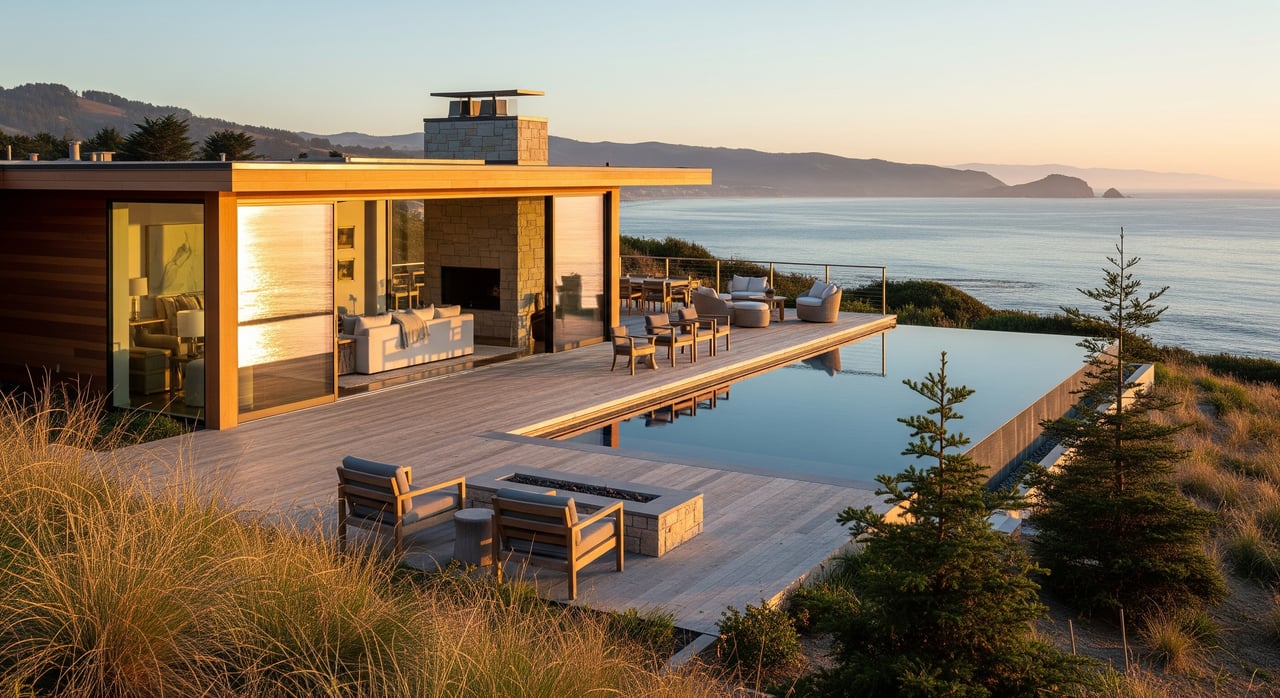
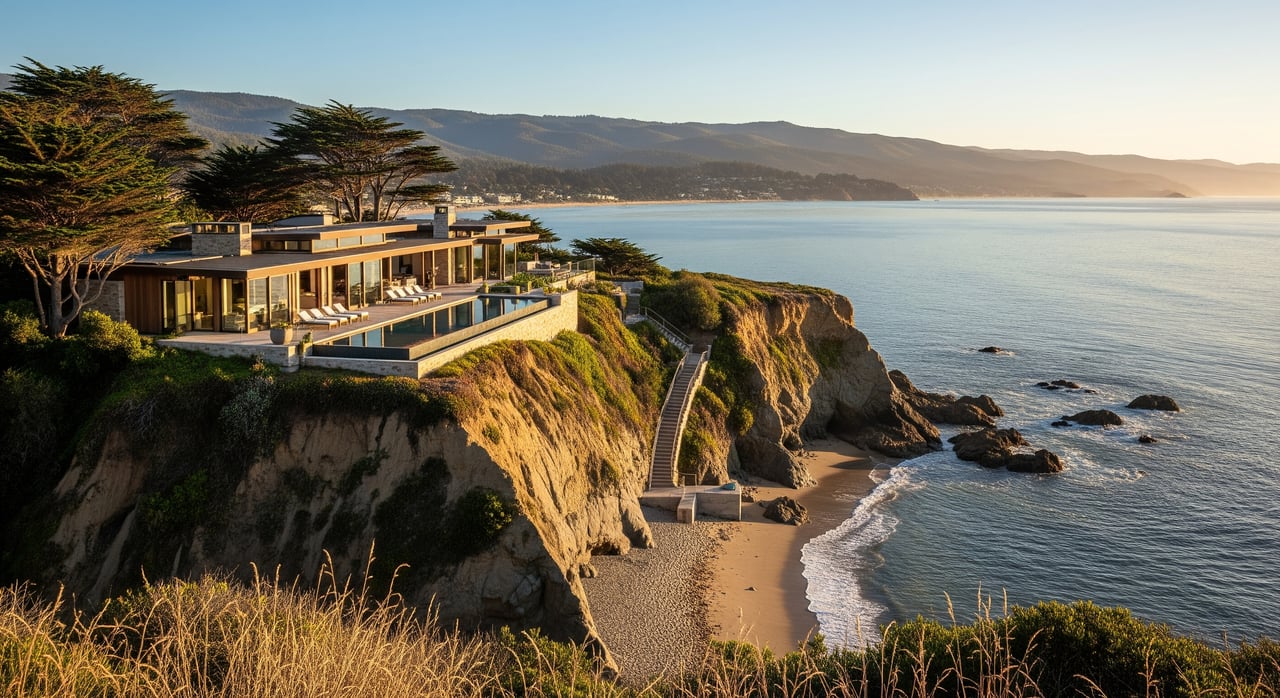
Start planning 1 to 3 months before your launch. Declutter, complete priority repairs, and schedule professional photography for the best light. Time landscaping so your exterior peaks when you hit the market. If you are selling an ocean‑adjacent or view property, invest in video and twilight photography to showcase the setting.
Align pricing and marketing to the season
- Peak months: Use competitive pricing and high‑impact marketing to attract strong initial traffic and encourage multiple offers. Fast feedback loops on showings and interest help you adjust quickly.
- Off‑season: Price with lower foot traffic in mind. Be ready to negotiate or offer incentives such as a closing credit or flexible possession.
Leverage local calendars
Coordinate open houses or private showings around summer visitor peaks and relevant UCSC dates when appropriate for your property type. Targeted timing can place you in front of motivated, in‑market buyers.
Timing strategies for West Santa Cruz buyers
Compete with confidence in spring
When inventory and demand both rise, good homes can move fast. Be fully pre‑approved, align your contingencies with your risk tolerance, and be ready to write promptly on a match. Discuss escalation strategies and appraisal planning with your advisor so you can act decisively without overreaching.
Use fall and winter leverage
In quieter months, you may see fewer multiple offers and more room to negotiate on price, credits, and repairs. Expect thinner inventory and be patient. If you have a specific street or view in mind, set alerts and be prepared to move quickly on rare listings.
Consider investor and student cycles
If you are buying with rental income in mind near campus, align your underwriting and search with late‑summer leasing cycles. Factor in local short‑term rental regulations if you plan a furnished or flexible‑use strategy.
Watch rates and macro shifts
Interest rate moves can outweigh seasonality. A sharp rise can cool demand even in peak months, while a drop can bring buyers off the sidelines in a slow season. Consider locking a rate when volatility is high.
Quick seasonal cheat sheet
- Spring: Higher prices, more competition, faster sales. Strong window for sellers seeking top dollar. Buyers need speed and clear strategy.
- Summer: Sustained demand from lifestyle and second‑home buyers. Good visibility to out‑of‑town prospects.
- Fall: Fewer listings and more negotiating power for buyers. Some sellers prefer to close before the holidays and may be flexible.
- Winter and holidays: Lowest traffic. Often the best time for buyers chasing value, but with limited selection.
What could change this year
Seasonality provides a useful baseline, but it is not a guarantee. Rapid interest rate shifts, broader economic changes, and new local regulations can alter demand and pricing in any month. Micro‑markets within West Santa Cruz also behave differently. Beachfront corridors and view properties often track lifestyle and second‑home interest, while UCSC‑adjacent areas reflect rental cycles. When planning, rely on multi‑year trends rather than a single unusual year.
How to align timing with your goals
Your timeline matters as much as the calendar. If you want maximum price discovery, plan a spring or early summer launch and invest in presentation and broad exposure. If you value speed over price, consider listing in late winter before the main wave of competition arrives. On the buy side, define your must‑haves and price ceiling in advance, then match your search intensity to the season. The right preparation lets you capture value in any month.
Ready to time your move with precision? Start a confidential plan with The DeBernardo Team. Request a private consultation and get senior‑level guidance on strategy, presentation, and negotiation tailored to your property and goals.
FAQs
When is the best time to sell in West Santa Cruz?
- Late winter through early summer generally brings the strongest buyer traffic and higher price potential. Summer can also be effective for lifestyle and second‑home properties.
Can buyers get better deals in winter in West Santa Cruz?
- Often yes. Fewer active buyers can mean more room to negotiate, though inventory is thinner and options may be limited.
Do UCSC cycles affect home sales near campus?
- Yes. Late summer and early fall rental activity can draw investors and parent‑buyers, which may influence timing and competition in nearby areas.
Is seasonality weaker because of the coastal climate?
- Weather is less of a constraint, but school calendars, tourism, and life timing still create noticeable seasonal patterns.
How do interest rates affect the best time to buy or sell?
- Rate changes can outweigh seasonal effects. A rate rise may cool demand in peak months, while a drop can boost activity even in slower seasons. Weigh financing conditions alongside seasonality.