Planning to roll gains from a Bay Area rental into a West Santa Cruz duplex without triggering taxes this year? The 1031 framework can help you do it, but the Westside market moves fast and inventory is tight. You want beach‑adjacent income, long‑term land value, and a smooth exchange timeline. In this guide, you’ll learn the key IRS rules, what the Westside offers, how to underwrite rents and risks, and a simple checklist to execute your exchange with confidence. Let’s dive in.
Why West Santa Cruz for your 1031
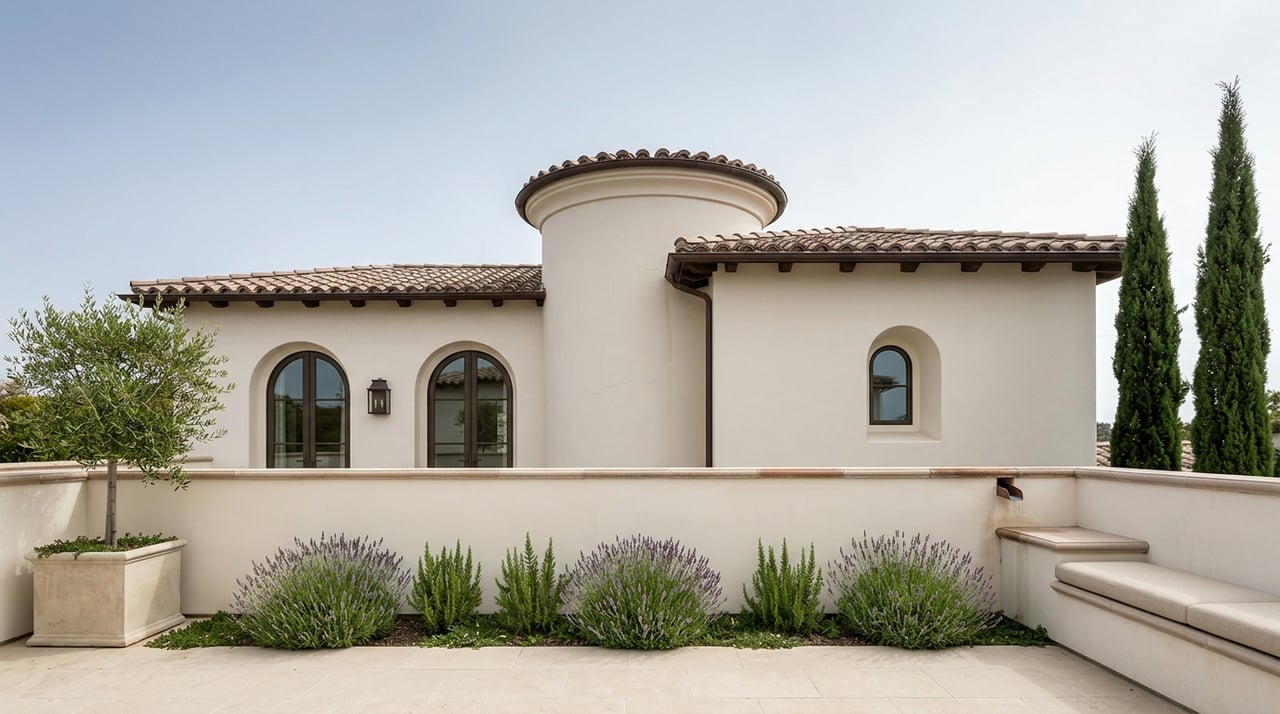
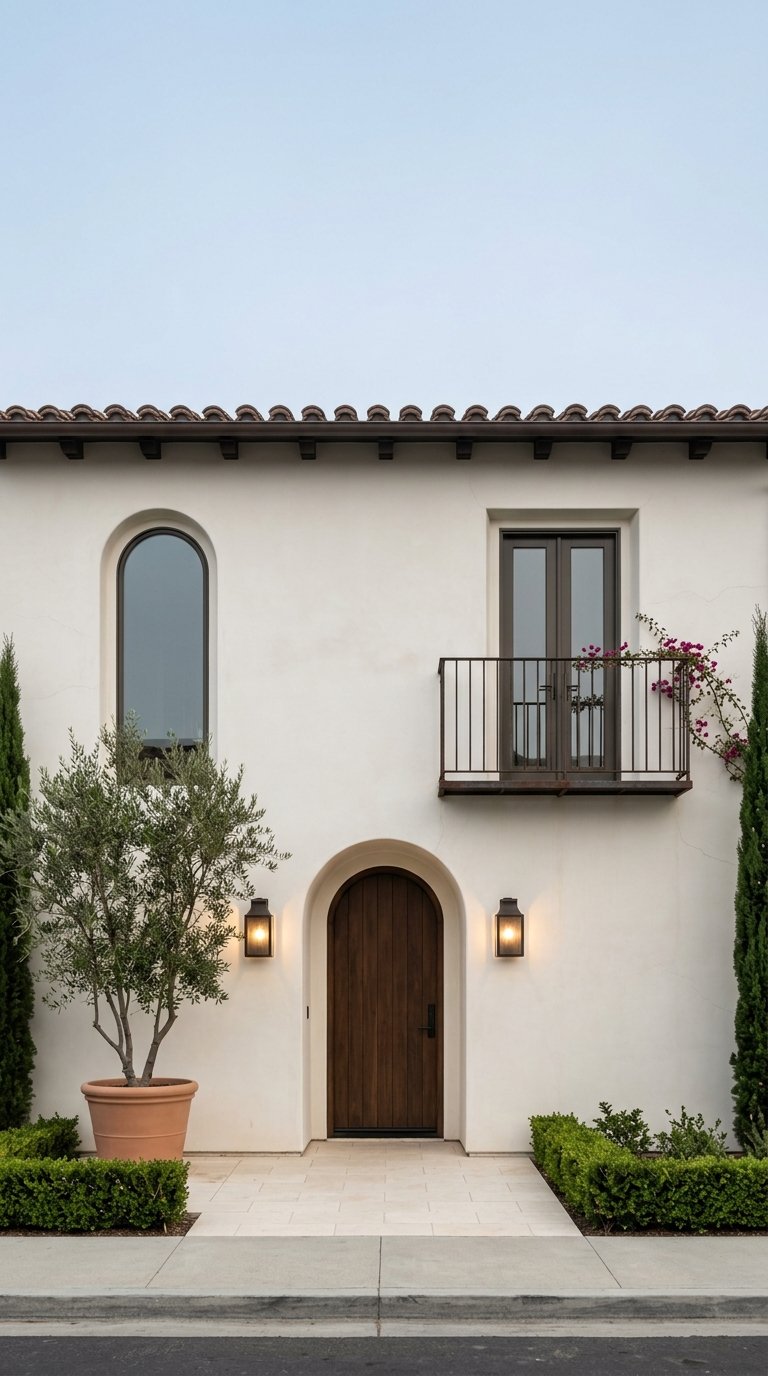
West Santa Cruz attracts renters who value beach access, surf culture, restaurants, and easy reach to Highway 1. You’ll find a mix of duplexes, small 3–20 unit properties, and some storefronts with housing above. This variety lets you match your risk and management style, from classic duplex income to mixed‑use plays on walkable streets.
Recent small‑asset listings suggest going‑in cap rates often land in the mid‑5 percent range, with examples around 5.3 to 6.1 percent depending on location and in‑place rents. You can scan representative offerings in Santa Cruz to see how asking caps align with your targets using public data from current small multifamily listings. Citywide, average asking rents run in the low‑to‑mid $3,000s per month across unit types, according to Zillow’s market‑rent trends for Santa Cruz. Vacancy has often trended below the commonly cited 5 percent “healthy” level, reflecting a constrained coastal market and persistent demand, as noted in county housing reports that discuss long‑term rental tightness and low vacancy baselines (Santa Cruz County Housing Element background).
The 1031 rules you cannot miss
Timing windows
A Section 1031 exchange lets you defer taxes on real property held for investment or productive use. You must identify your replacement property within 45 days of transferring the relinquished asset and close on the replacement by the earlier of 180 days after transfer or your tax return due date with extensions. These are strict calendar deadlines. You can review the full timing framework in IRS Publication 544.
Identification strategies
The IRS gives you three main identification rules to control risk and scarcity pressure. The three‑property rule lets you identify up to three properties of any value. The 200 percent rule lets you name more properties as long as total value does not exceed 200 percent of the relinquished property. The 95 percent rule applies if you exceed the first two, requiring you to acquire at least 95 percent of the value identified. See the rules overview in IRS Publication 544.
Keep funds with a qualified intermediary
In a delayed exchange, you cannot receive sale proceeds directly. A qualified intermediary holds the funds and documents the exchange so you avoid constructive receipt. The QI coordinates closings, and you will report the transaction on Form 8824. The agency’s guidance in IRS Publication 544 explains the role and reporting.
California reporting and property taxes
If you exchange California property for out‑of‑state property, California requires additional reporting via FTB 3840, and follow‑up annual filings can apply while gain remains deferred. California’s rules can be nuanced, so coordinate with a California CPA. Get the state’s guidance at the Franchise Tax Board’s like‑kind exchange page. A 1031 does not control county property‑tax reassessment; changes in ownership may trigger reassessment under Prop 13 depending on structure and timing. Confirm potential reassessment with the county assessor before you firm up pricing.
Local rules that shape income and value
Short‑term rentals impact your plan
The City of Santa Cruz limits non‑hosted short‑term rental permits, and hosted permits operate under a capped, first‑come framework. If your underwriting assumes STR income, verify eligibility early, since rules can materially shift revenue mix. Review permit types and current caps in the city’s short‑term rental overview.
SB 9 and ADUs as optional upside
State housing laws can expand what you do on select parcels. SB 9 creates ministerial paths for duplexes or two‑unit projects on certain single‑family lots, subject to environmental and local program constraints. ADUs also remain a statewide tool. Eligibility near the coast can be limited by coastal program rules and site factors, so confirm parcel specifics. Get a plain‑English summary in the state’s SB 9 fact sheet.
Coastal hazards, insurance, and lenders
Westside properties benefit from enduring land scarcity, but they also face real coastal risks. Recent high‑energy winter storms and surf have damaged local infrastructure, including a widely covered wharf collapse event in December 2024 (Los Angeles Times reporting). Sea‑level rise, storm surge, bluff erosion, and flood exposure can influence insurance costs, capital‑ex budgets, and lender appetite over a 10‑year hold. For a scientific overview of shoreline exposure in the region, see this peer‑reviewed coastal hazards study.
Underwrite a Westside duplex step by step
Find rent comps
Start with a city‑level anchor from Zillow’s Santa Cruz rent index and adjust for the unit mix and features you are targeting on the Westside. Tier your comps by bedroom count, parking, in‑unit laundry, ADU presence, and proximity to the coast. Cross‑check with recent MLS rental listings and broker rent rolls to tighten your assumptions.
Model vacancy and turnover
Local vacancy often runs below national norms. For underwriting, many investors use a 3 to 7 percent vacancy allowance, leaning lower for stabilized larger buildings and higher for smaller units with more turnover or seasonal variation. Use neighborhood‑level leasing history and academic calendar dynamics when your tenant pool includes students.
Budget real expenses
Build a full operating expense stack that reflects coastal realities. Include property taxes with a potential reassessment, insurance with coastal premiums, utilities by payer, repairs and maintenance on older structures, management at roughly 5 to 8 percent if outsourced, reserves for roof and systems, and any special assessments. Confirm current tax rate and special assessments with the county assessor and title company.
Sample underwriting illustration
Assume a Westside duplex offered at $1,650,000 with two 2‑bed units. If achievable market rents are about $3,400 and $3,200 per month, gross scheduled rent is roughly $78,000 per year. With a 5 percent vacancy, effective gross income is about $74,100. Using a 35 percent operating expense ratio for a small owner‑operated asset, expenses would be about $25,935 and NOI about $48,165.
That NOI at the assumed price implies an effective going‑in cap of roughly 2.9 percent. If you target a 5.5 percent cap, the implied price would be closer to about $877,000, holding those inputs constant. This is why investors either buy at a premium for land, location, or value‑add upside, or they negotiate price to align with income. Small shifts in rent, vacancy, or expenses can move cap rates materially, so plug in local comps and actuals before you commit.
Your 1031 field checklist for West Santa Cruz
- Set strategy with your CPA and counsel. Confirm who the exchanging taxpayer is, debt replacement, and whether a reverse or improvement structure is needed. See timing and structure basics in IRS Publication 544.
- Engage a qualified intermediary before you list. The QI agreement and funds flow protect your deferral, and closing dates start the 45 and 180‑day clocks.
- Start replacement searches early. Inventory is limited, so pre‑vet Westside candidates and plan backups that fit the three‑property, 200 percent, or 95 percent identification rules. Use alerts and relationships to surface off‑market options.
- Diligence each candidate fast. Review rent rolls, leases, payment history, deposits, expense statements, coastal insurance history, and system ages. Validate zoning, SB 9 or ADU potential, and any historic or coastal program limits.
- Verify STR permit path. If short‑term revenue is part of your plan, confirm eligibility and taxes early using the city’s short‑term rental guidelines.
- Prepare filings. Plan to file Form 8824 federally and review California’s FTB 3840 reporting rules if your exchange triggers state reporting requirements (FTB exchange guidance). Keep annual filings as required until deferred California‑source gain is recognized.
- Coordinate closing mechanics. Align escrow, lender requirements, QI timing, and recording dates. If you take cash or reduce debt, model potential boot and any recognized gain before closing.
Work with a team that knows exchanges
You want a measured, senior‑level approach that blends tax‑aware execution with local market access. Our boutique brokerage advises on 1031 strategy, sources Westside duplex and mixed‑use opportunities, and packages income property with premium marketing and discreet negotiations. If you are weighing a trade into West Santa Cruz, connect with The DeBernardo Team for a private, data‑driven consultation.
FAQs
What counts as like‑kind property in a 1031 exchange?
- In a real property exchange, most U.S. investment or business real estate is like‑kind to other U.S. investment or business real estate.
How do the 45‑day and 180‑day deadlines work?
- You have 45 calendar days after the sale to identify replacement property and must close by 180 days or your tax return due date with extensions, whichever is earlier.
Will my Santa Cruz property taxes reset after a 1031?
- A 1031 defers income tax but does not stop county reassessment rules, so confirm change‑in‑ownership impacts with the assessor for your structure and timing.
Are short‑term rentals allowed for a Westside duplex?
- The city limits non‑hosted permits and caps hosted permits, so verify eligibility before you underwrite any STR revenue.
What cap rates should I expect in West Santa Cruz?
- Recent small multifamily listings often show mid‑5 percent going‑in caps, with variation by location, unit mix, and in‑place rents.
Can I buy a mixed‑use building in a 1031 exchange?
- Yes, but only the real‑property portion qualifies for deferral, so allocate purchase price carefully and consult tax counsel on closing allocations.