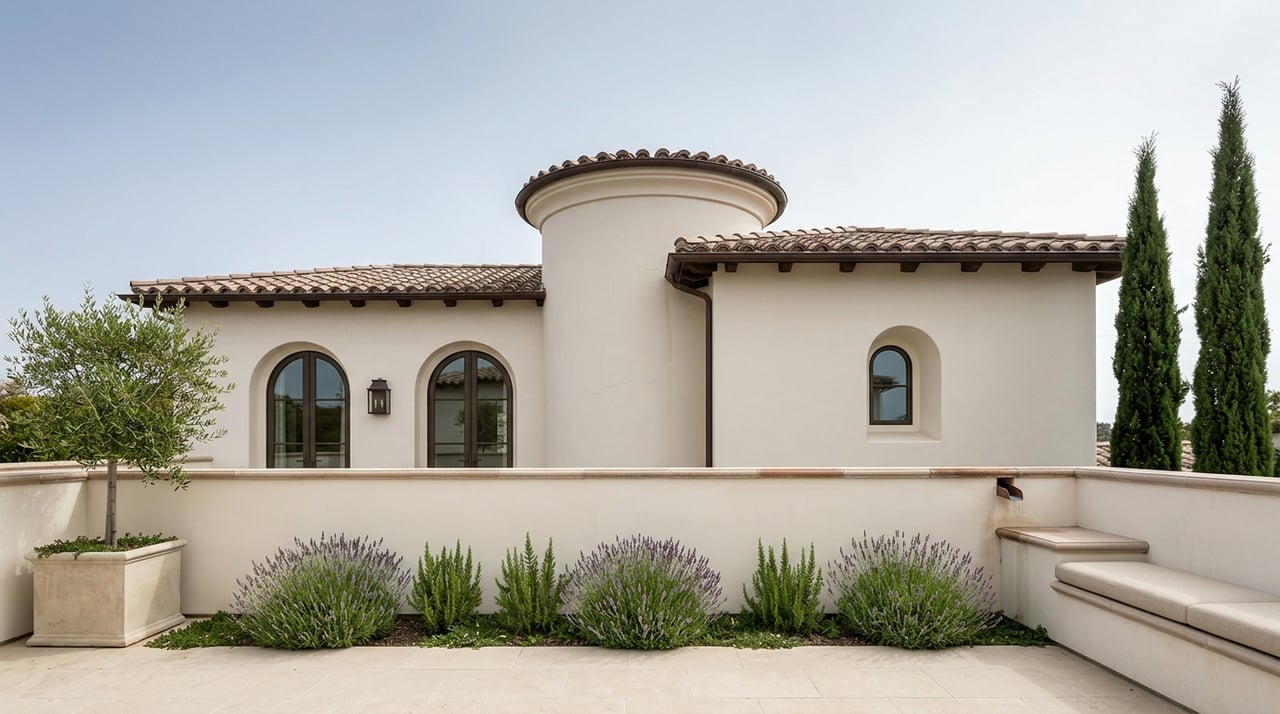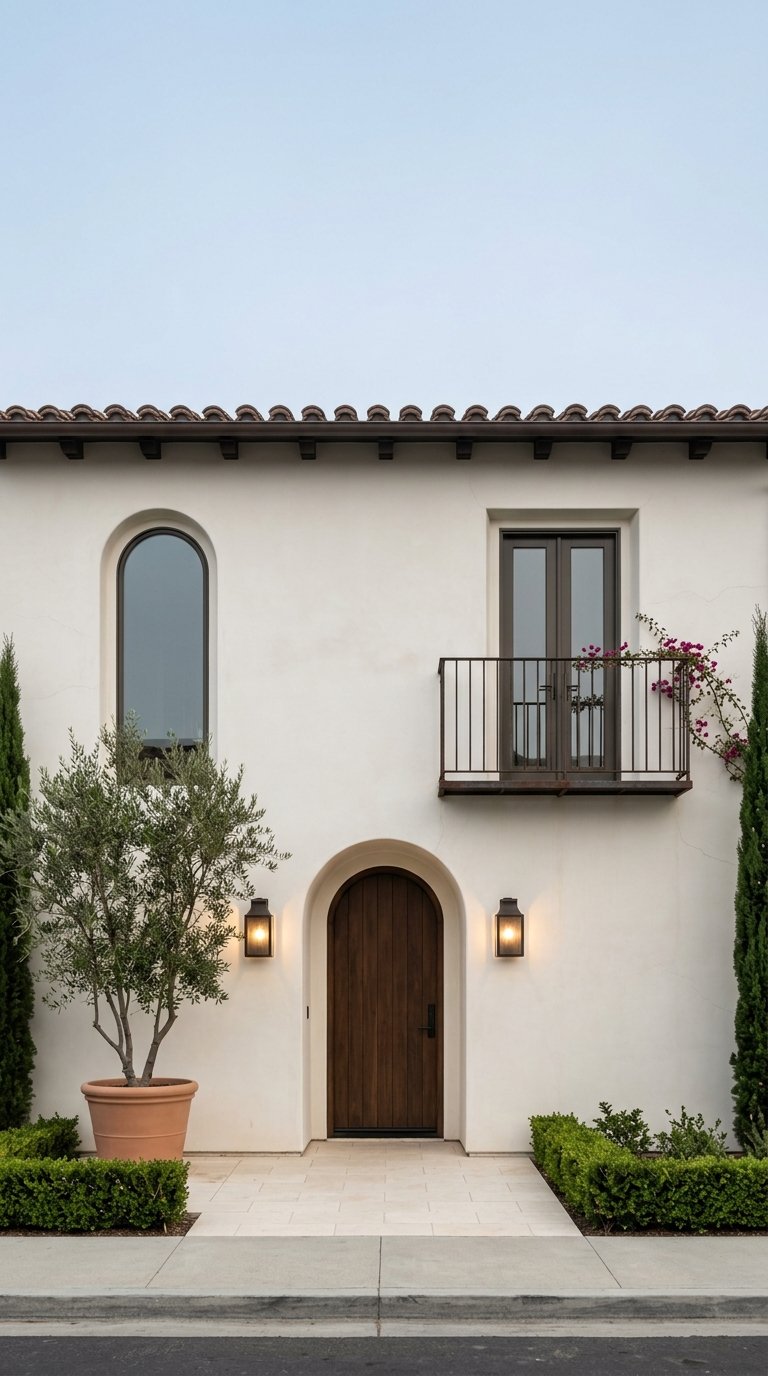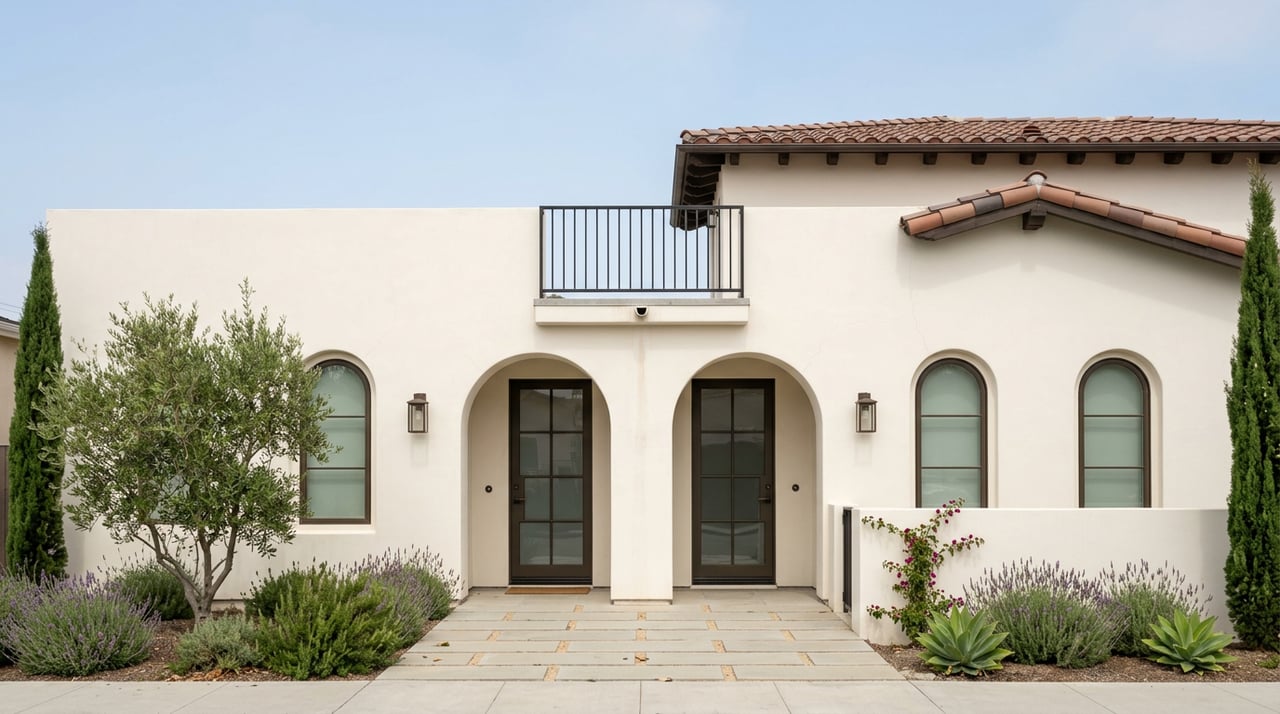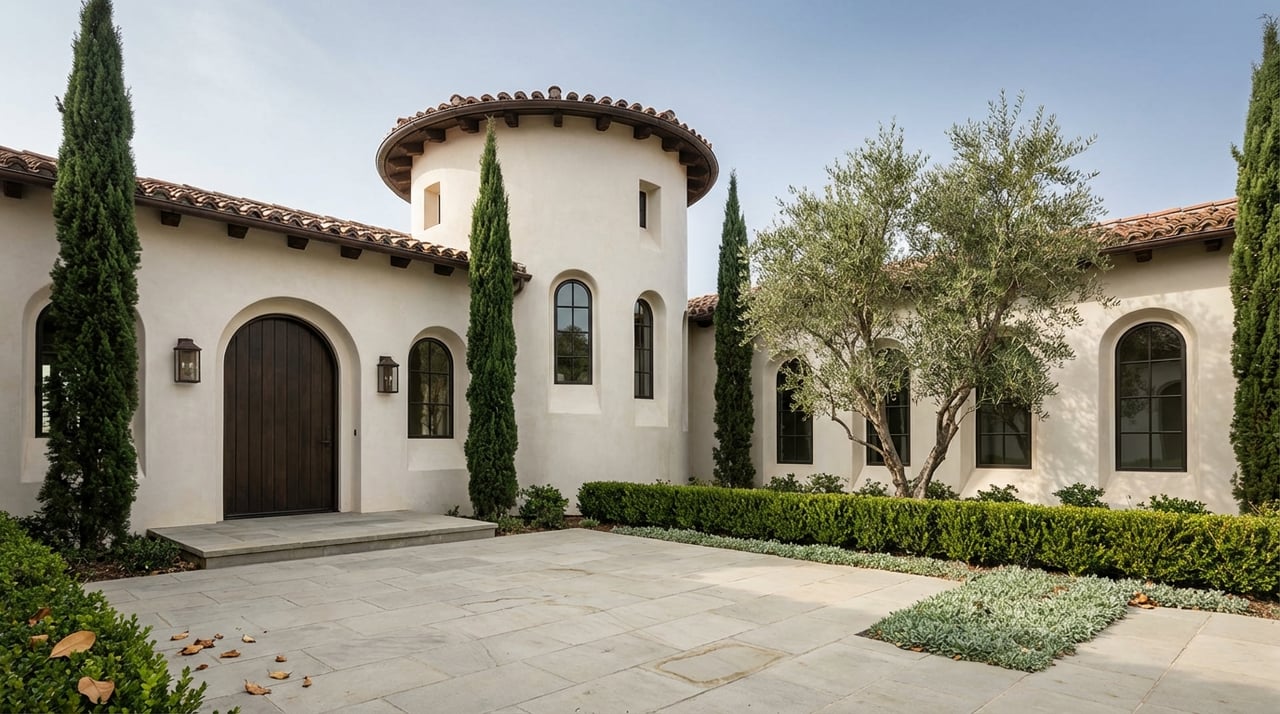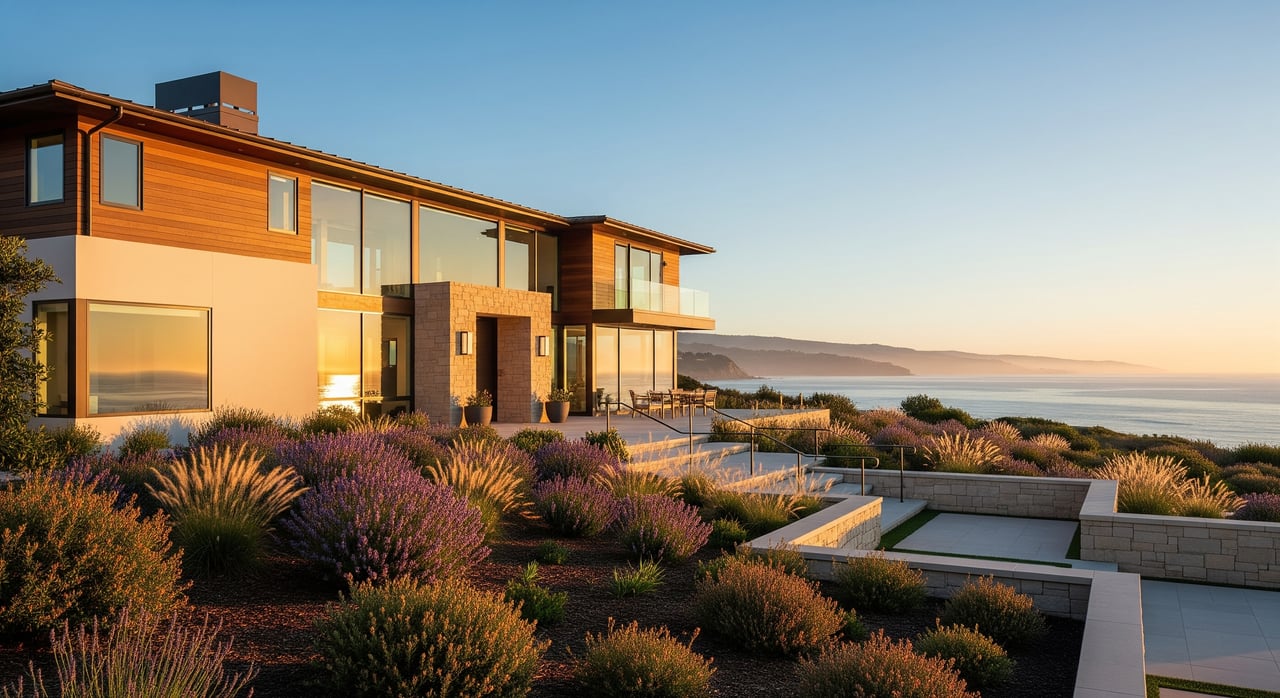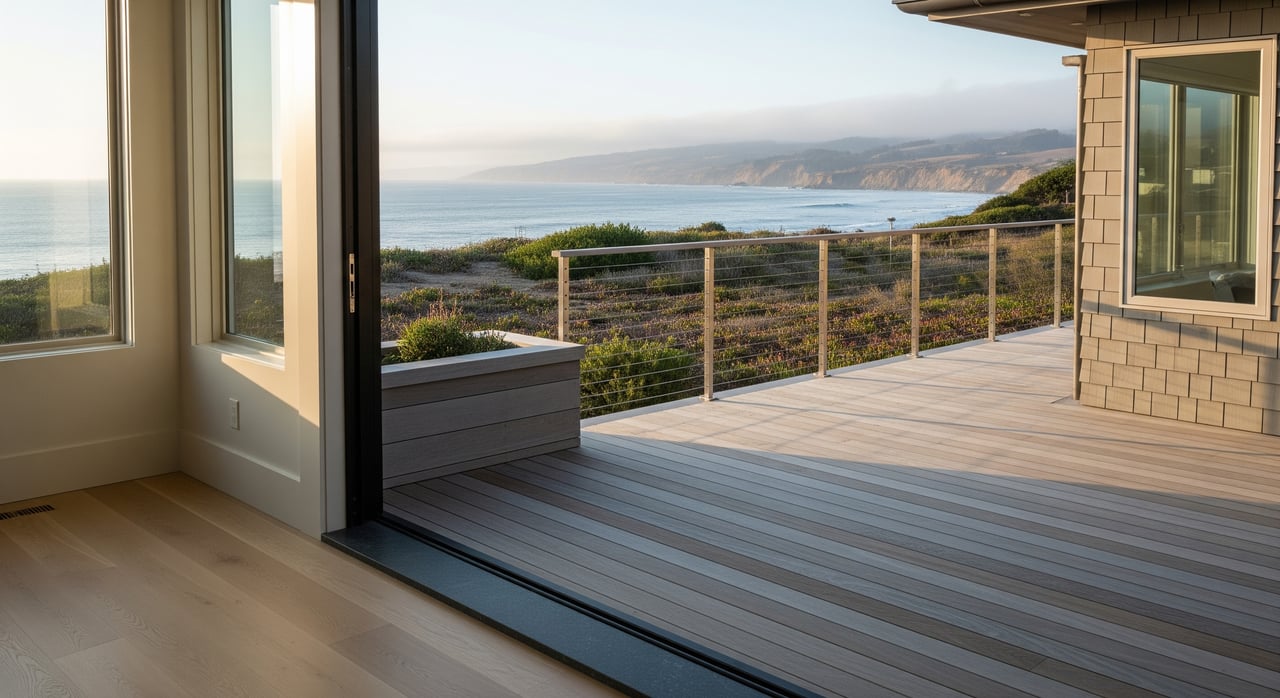
If you own or hope to buy in East Santa Cruz near the coast, remodeling can feel simple at first glance and surprisingly complex once you start pulling the thread. A new addition, ADU, exterior update, or bluffside improvement may involve city or county rules, coastal permits, hazard review, and area-specific design standards. The good news is that with the right early checks, you can avoid costly missteps and plan with more confidence. Let’s dive in.
Start With the Parcel
In East Santa Cruz, the first question is not whether a home is in Pleasure Point, Seabright, or near the Harbor. The first question is which jurisdiction governs the parcel and what zoning and coastal layers apply.
That matters because Pleasure Point parcels are often reviewed through Santa Cruz County standards, while Seabright and Harbor-area parcels are generally within the City of Santa Cruz planning framework. According to the County, you should verify parcel zoning through the Parcel Information Report or GIS tools, rather than relying on neighborhood labels alone.
For city parcels, the City of Santa Cruz GIS includes layers for Coastal Zone, Coastal Permit Jurisdiction, Coastal Zone Appeal, Coastal Exclusion, Shoreline Protection, and area plans such as Seabright and Santa Cruz Harbor. In other words, two homes a short distance apart can face different review paths because of parcel-specific overlays and plan areas.
Why Coastal Rules Matter
If your property is in the Coastal Zone, remodeling is not just a building-permit issue. The California Coastal Commission states that development in the Coastal Zone may not begin until the required coastal development permit has been issued by the local government with a certified Local Coastal Program or by the Commission.
That can affect projects that seem modest on paper. Additions, exterior changes, site work, grading, and in some cases ADUs may all trigger coastal review depending on the parcel and scope.
County guidance also explains that every coastal development project must meet the underlying zone standards, the Local Coastal Land Use Plan, and coastal-zone design criteria. Some properties also fall within appeal jurisdiction, which can add another layer of review if the site is near a beach, bluff, stream, estuary, or wetland, or if the use is not a principal permitted use under the code.
Pleasure Point Remodels Need County Review
Pleasure Point has a distinct planning context. Santa Cruz County notes that additional and more restrictive setbacks may apply near streams, coastal bluffs, wetlands, and other protected resources, including within the Pleasure Point Community Design combining district.
That means your lot may have less buildable area than you expect, even before architectural design is finalized. The County also cautions that setbacks can be difficult to measure on irregular lots or parcels with more than one frontage, which is why a survey is often the best way to confirm property lines.
Design matters here too, especially in the commercial corridor and nearby context-sensitive areas. The County’s Design Guidelines say Pleasure Point projects should reinforce local character through architecture, materials, colors, landscaped public-facing areas, and rear parking where feasible.
It is important to understand that these design guidelines are not the same as a simple code-minimum checklist. The County describes them as best-practice guidance used alongside the code, General Plan, and design criteria, which means a project can meet dimensional standards and still need thoughtful design revisions.
Seabright Has Its Own Planning Lens
If you are remodeling in Seabright, you are working within a city planning environment that goes beyond base zoning. A City planning staff summary states that the Seabright Area Plan was adopted to preserve the neighborhood’s small-scale residential character, reduce tourist impacts, and guide future physical development.
For homeowners, that is a practical reminder that project review may consider more than floor area, lot coverage, and setbacks. Scale, massing, and how a remodel fits the surrounding planning context may also matter.
This does not mean good projects cannot move forward. It means your concept should be shaped by the area plan early, rather than revised after formal submission.
Harbor Parcels Are Not Generic Coastal Lots
The Harbor area also has its own planning framework. The City GIS identifies Santa Cruz Harbor as a distinct General Plan area-plan layer, and a Coastal Conservancy document notes that the Santa Cruz Harbor Development Plan is incorporated into the Local Coastal Program as a specific plan.
That is important if you are evaluating a purchase, planning a renovation, or considering a property for future resale value. Harbor-adjacent parcels may be governed by planning documents beyond base zoning, so assumptions based on another coastal neighborhood may not hold.
Bluff, Creek, and Slope Issues Can Change the Plan
Along East Santa Cruz’s coast, physical constraints are often just as important as planning rules. County guidance says a Geologic Hazard Assessment may be required in coastal hazard areas, slope-instability areas, floodplains, and other geologic hazard locations.
For bluffside or hazard-prone parcels, the County also requires geologic and geotechnical reports to be peer reviewed and accepted before development approval. In some cases, County geology or soils staff may also require final-plan review during construction.
The practical takeaway is simple: if your property is near a bluff, creek, steep slope, or flood-prone area, the feasible building envelope may depend on technical reports. County report guidance explains that bluff setbacks should be established through site-specific erosion-rate analysis and other Local Coastal Program data, not guesswork.
Historic Review Can Also Apply
Some older coastal homes may trigger another review path. The City’s historic preservation ordinances state that material exterior changes on a designated landmark, a building listed in the Historic Building Survey, or a structure within a historic overlay district require a permit.
In beach-adjacent neighborhoods with older housing stock, this can turn a straightforward exterior remodel into a more design-sensitive process. If you are buying an older property with renovation plans, this is worth checking before you finalize your budget and scope.
Build the Right Team Early
One of the smartest moves you can make is to treat feasibility as its own phase. County staff recommend first verifying feasibility, then scheduling an appointment with a planner or requesting a Project Review Consultation for larger or more complex questions.
For many coastal remodels, the right team may include:
- A planner or zoning specialist
- A surveyor
- An architect or residential designer
- A geologist or geotechnical engineer for bluff, slope, or hazard sites
- A civil engineer if drainage or right-of-way issues are involved
That lineup is a practical inference from the County and City review process. The point is not to overbuild your team, but to bring in the right expertise before design decisions lock you into an unworkable concept.
Understand the Permit Timeline
Coastal remodeling is usually a multi-step process, not a one-step approval. County guidance explains that after submittal, a project is assigned to a planner, routed to other departments, and reviewed for completeness, typically around 30 days from submittal. Site visits, technical studies, mailed notices, on-site noticing, hearing schedules, and appeal windows can all follow.
For City of Santa Cruz projects, public-hearing bodies meet on a set cadence. The City says the Planning Commission meets the first and third Thursday of each month, while the Zoning Administrator meets the first and third Wednesday, with notices sent 14 days before the meeting.
Building permits usually come later in the sequence. County guidance states that discretionary permits must generally be completed before a building permit is issued, though concurrent processing may sometimes be allowed at the applicant’s risk through a written agreement.
ADUs Still Need Coastal Review
ADUs are a good example of how coastal rules can surprise property owners. In Santa Cruz County, ADUs in the Coastal Zone also require a Coastal Development Permit, even if no public hearing is required.
Within the City of Santa Cruz, some ADUs that qualify under state standards may be exempt from certain site-development and design review requirements, but a coastal permit may still be necessary inside the Coastal Zone. If an ADU is part of your long-term property strategy, the parcel-specific coastal status still matters.
What This Means for Buyers and Owners
If you already own a home in East Santa Cruz, the main opportunity is to plan smarter. A remodel that respects parcel zoning, coastal overlays, hazard conditions, and local design context is more likely to move through review with fewer surprises.
If you are buying with renovation in mind, due diligence matters even more. A home’s value is not just about its current layout or view corridor. It is also about what the parcel may realistically allow in the future.
That is especially true in coastal neighborhoods where entitlement complexity can shape both livability and long-term value. Knowing the planning framework before you buy can help you make a more confident decision.
When you are evaluating a coastal property, preparing for a sale, or thinking through renovation potential, local insight matters. Trent Davis offers discreet, place-based guidance for Santa Cruz County properties, including the nuance that makes East Santa Cruz coastal real estate so different from one parcel to the next.
FAQs
How do I know if my East Santa Cruz property is in the city or county?
- Start with the Santa Cruz County parcel report or GIS tools, then confirm any city planning layers if the parcel is within City of Santa Cruz jurisdiction.
Do coastal homes in East Santa Cruz need more than a building permit for remodeling?
- Yes. If the property is in the Coastal Zone, a coastal development permit may be required before development begins.
Can a bluff or creek limit an addition in Pleasure Point or Seabright?
- Yes. Site-specific hazard review, erosion analysis, and protected-resource setbacks can reduce the feasible building area.
Does the Seabright Area Plan affect remodeling decisions?
- Yes. The Seabright planning context can influence how scale, design, and neighborhood compatibility are evaluated.
Are Harbor-area remodels reviewed differently from other coastal parcels?
- Often, yes. Harbor parcels may be affected by separate area-plan and Local Coastal Program documents in addition to base zoning.
Should I design first or check feasibility first for an East Santa Cruz coastal remodel?
- Check feasibility first. Parcel zoning, coastal overlays, surveys, and technical constraints should be reviewed before final design work begins.