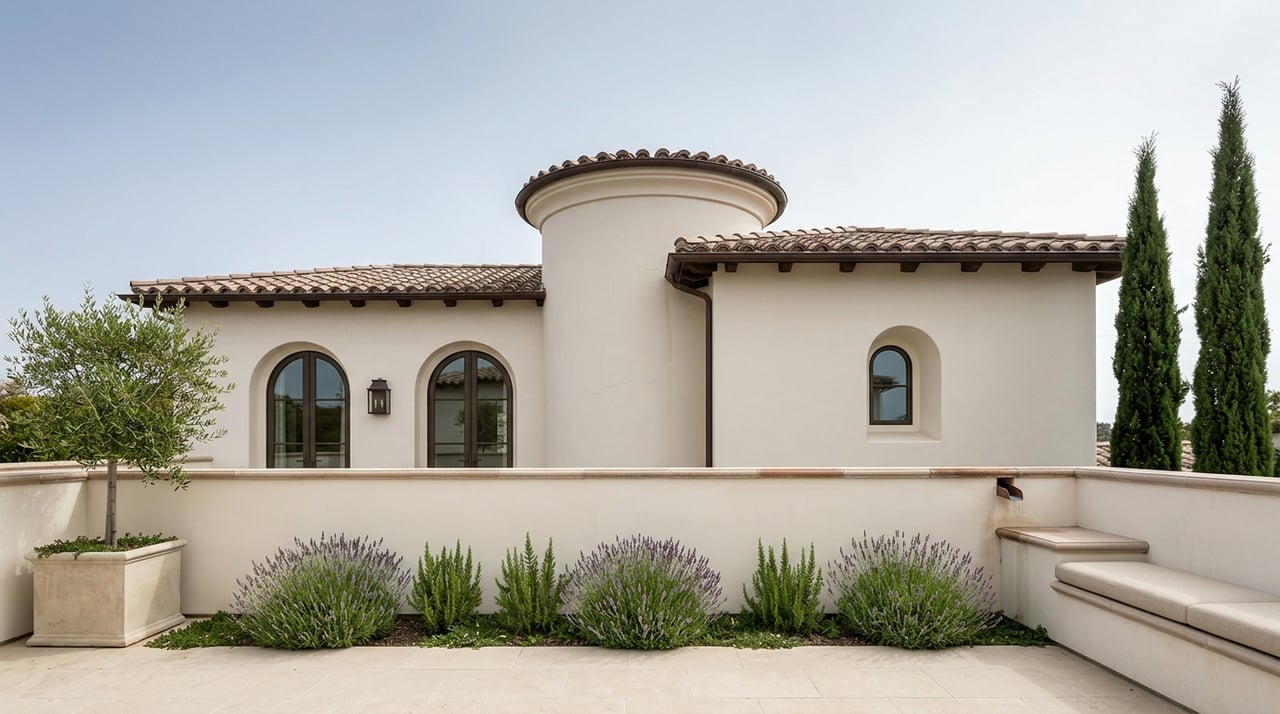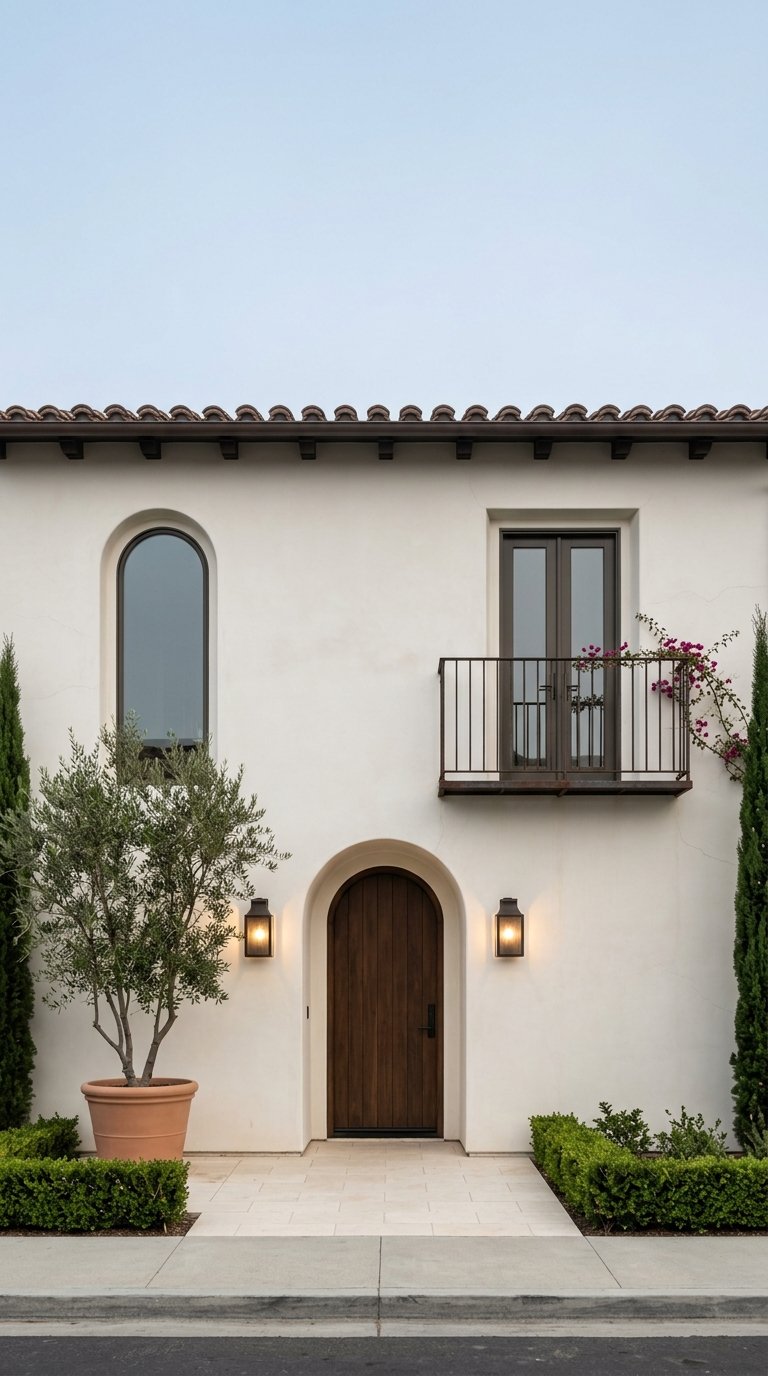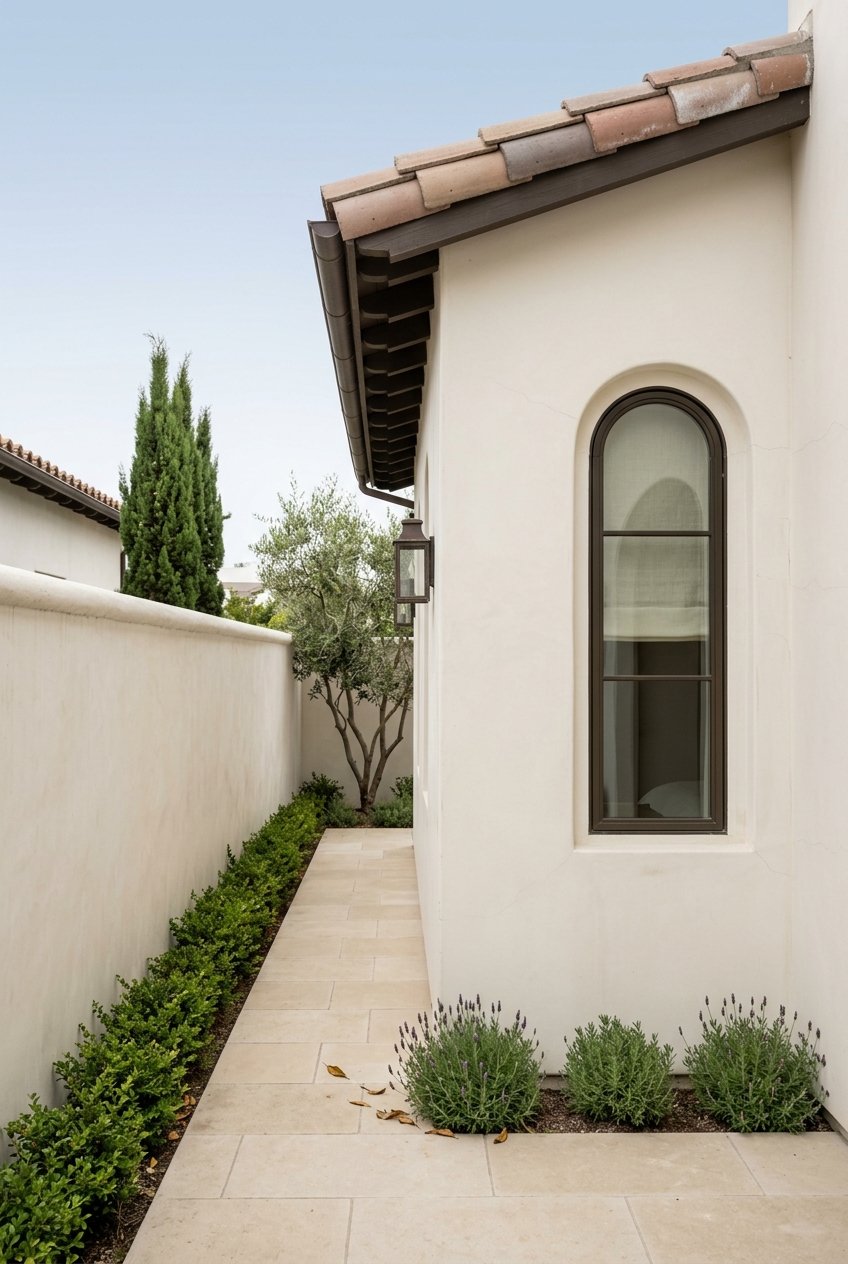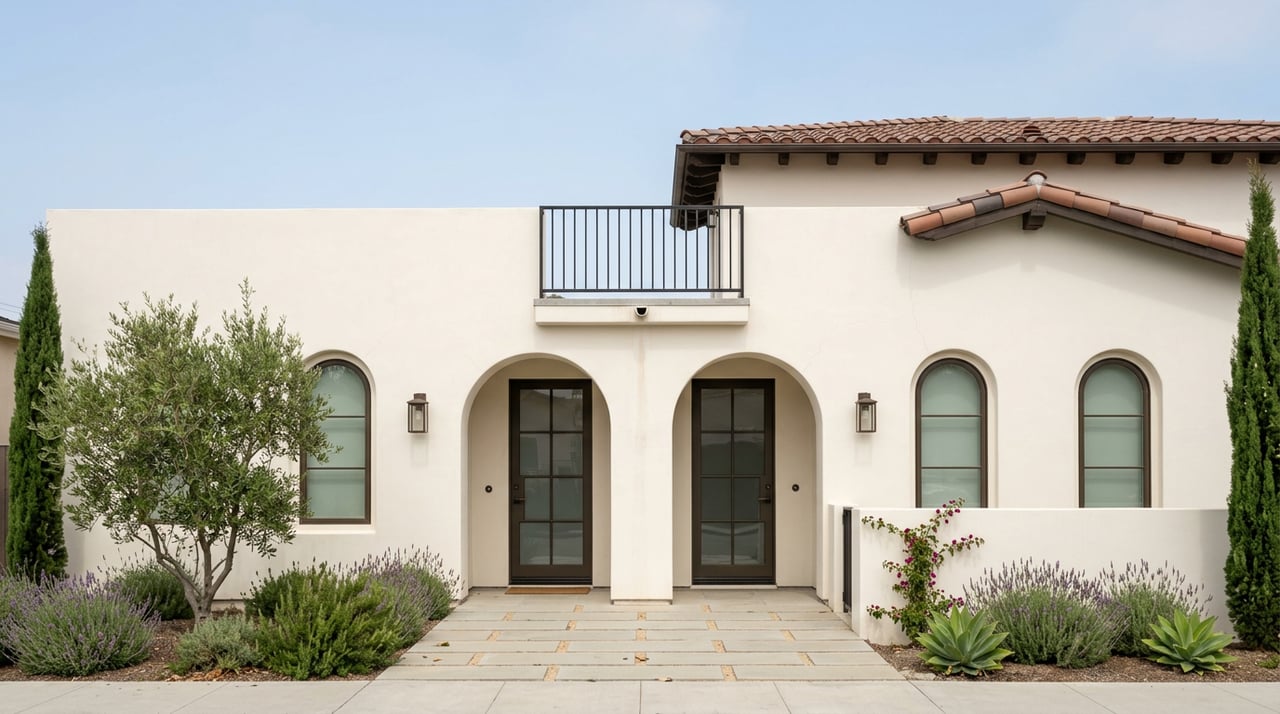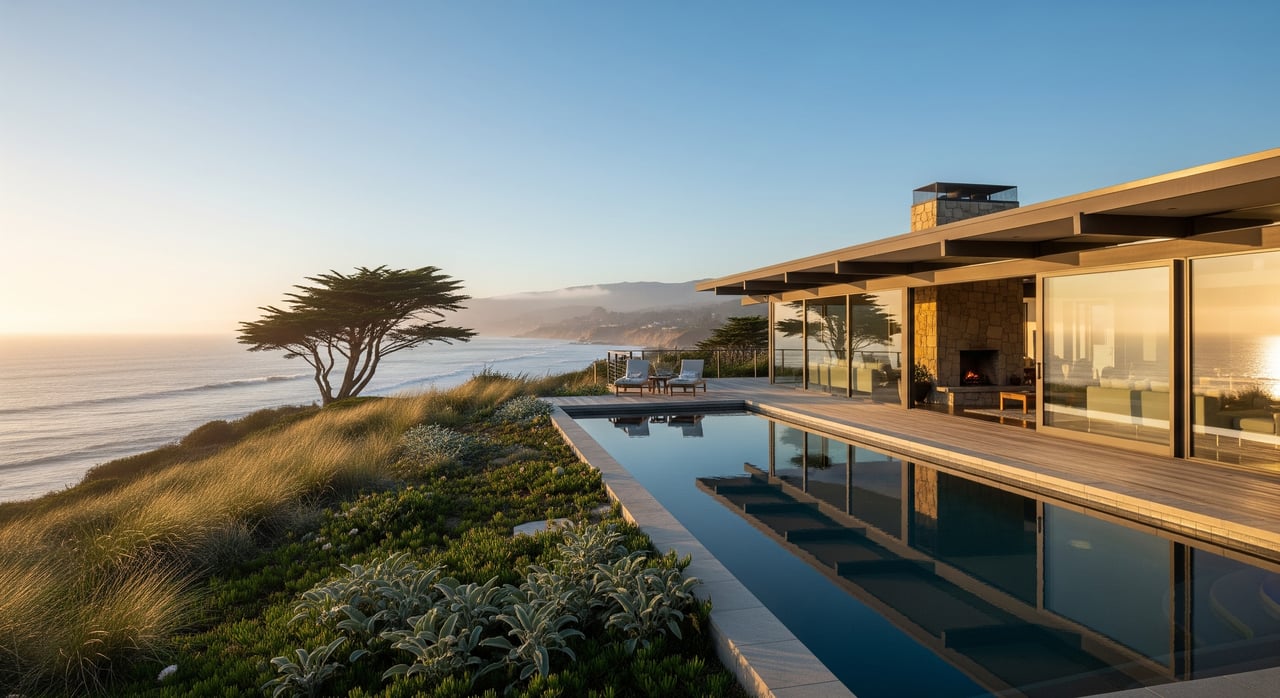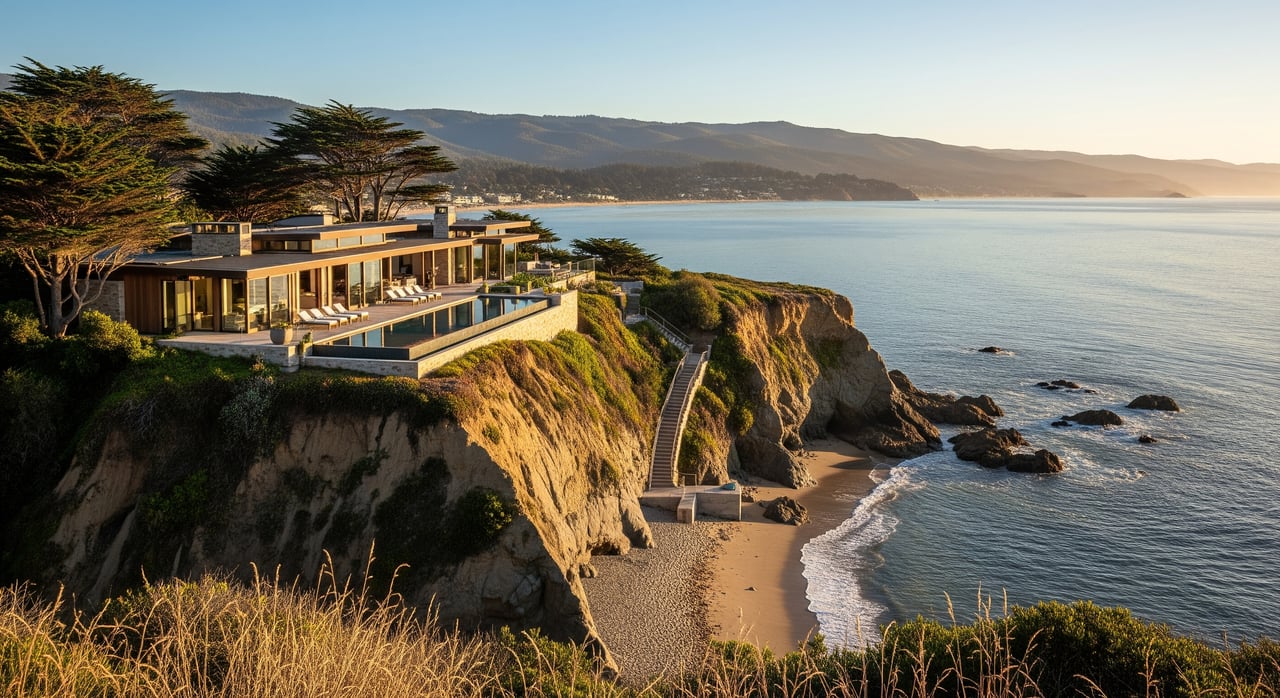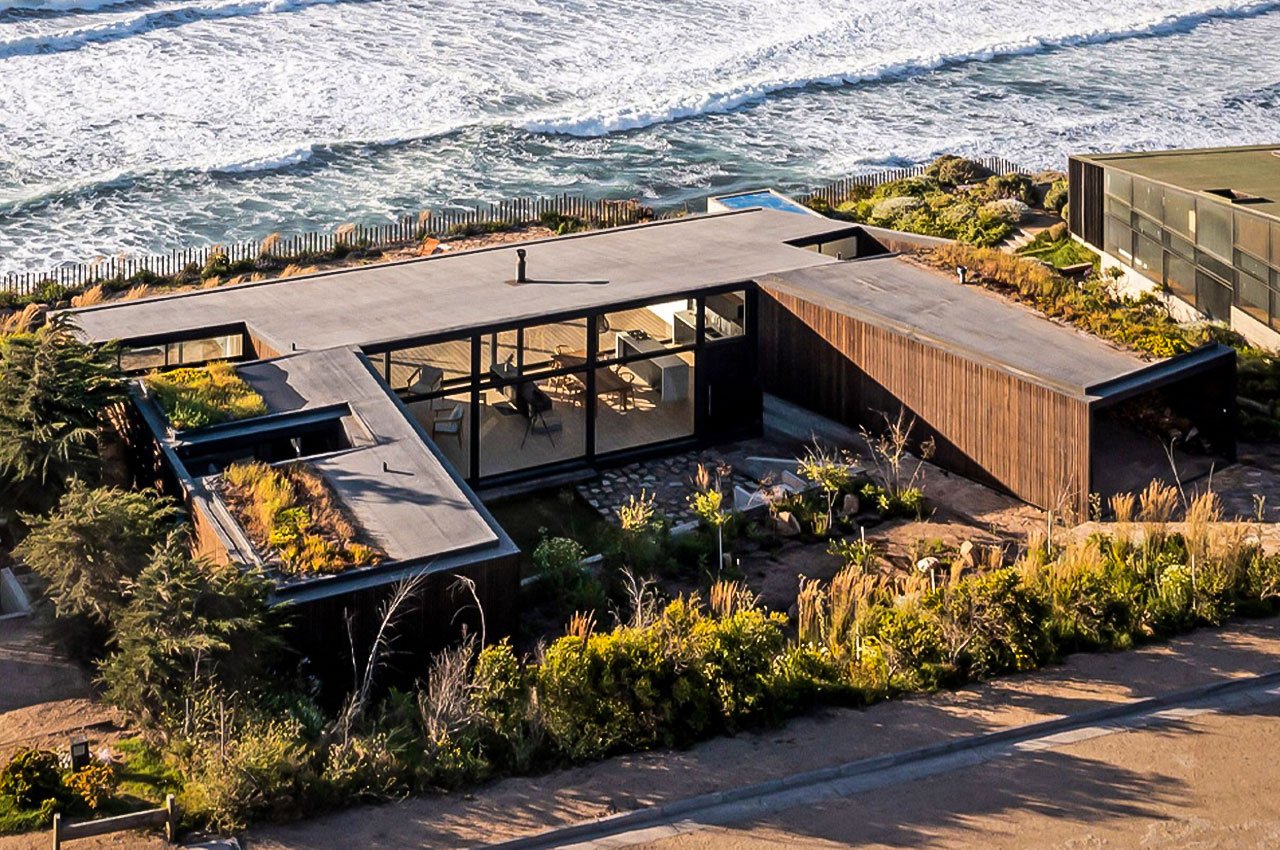
Thinking about a Seascape getaway you can lock, leave, and love? You are not alone. Many Bay Area buyers weigh the same choice: a low‑maintenance condo close to the beach or a detached home with room for everyone. In this guide, you will see how Seascape’s main options compare on price, carrying costs, rental flexibility, financing, and long‑term risk so you can choose with confidence. Let’s dive in.
Quick snapshot: What you can buy in Seascape
Resort condos at Seascape Beach Resort
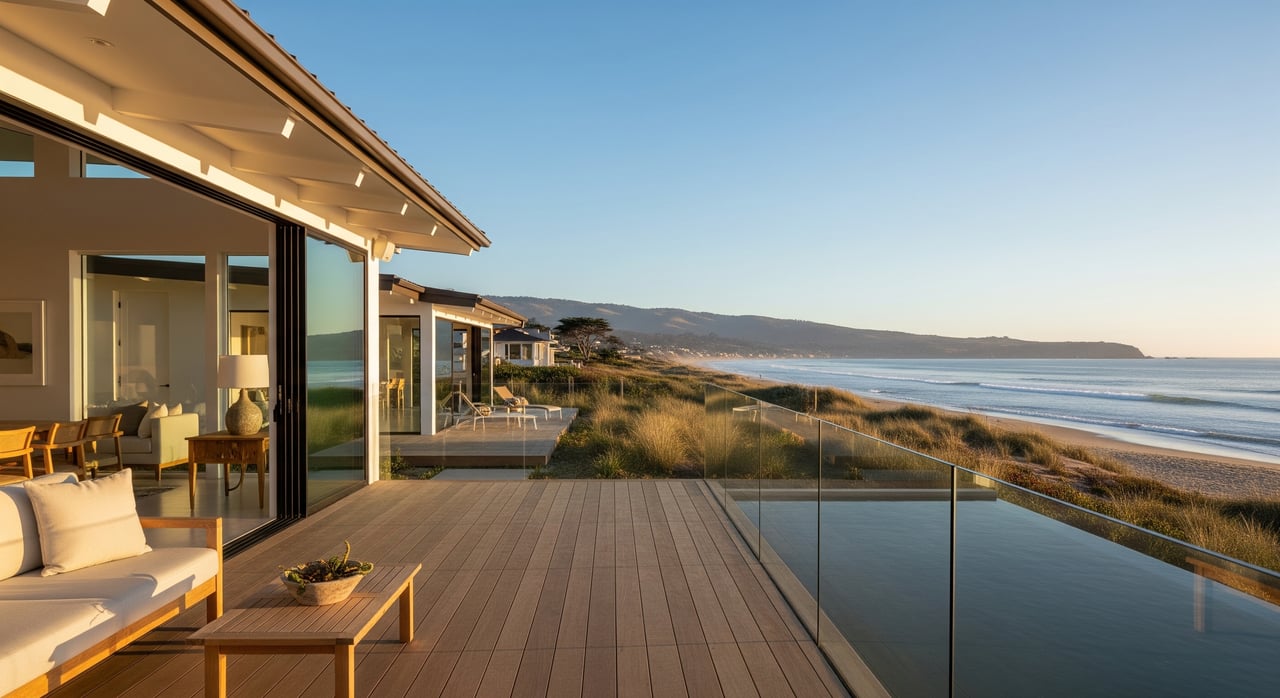
Resort condos sit inside the Seascape Beach Resort, where owners can access on‑site amenities and an optional owner rental program. The resort reports about 278 residential units across several phases and notes that participating units receive maintenance, housekeeping, and landscaping through the program. Floor plans typically range from compact studios and 1‑bedrooms near 700 square feet to 2‑bedroom layouts around 1,200 to 1,300 square feet. You trade private space for services and convenience. For program details and services, review the resort’s owner FAQ materials in the Seascape Beach Resort prospective owner guide.
Private condos and townhomes near the Village
Just inland from the bluff, private condos and townhomes near Seascape Village offer beach paths, proximity to shops, and simpler upkeep. Complexes like Racquet Landing often feature 2‑bedroom townhomes around 1,200 to 1,300 square feet. Monthly HOA dues in local listings commonly show about $400 to $500 per month, which helps cover exterior maintenance, roof reserves, common insurance, landscaping, and shared amenities. These properties emphasize convenience with moderate dues and less day‑to‑day owner responsibility.
Detached single‑family and estate homes
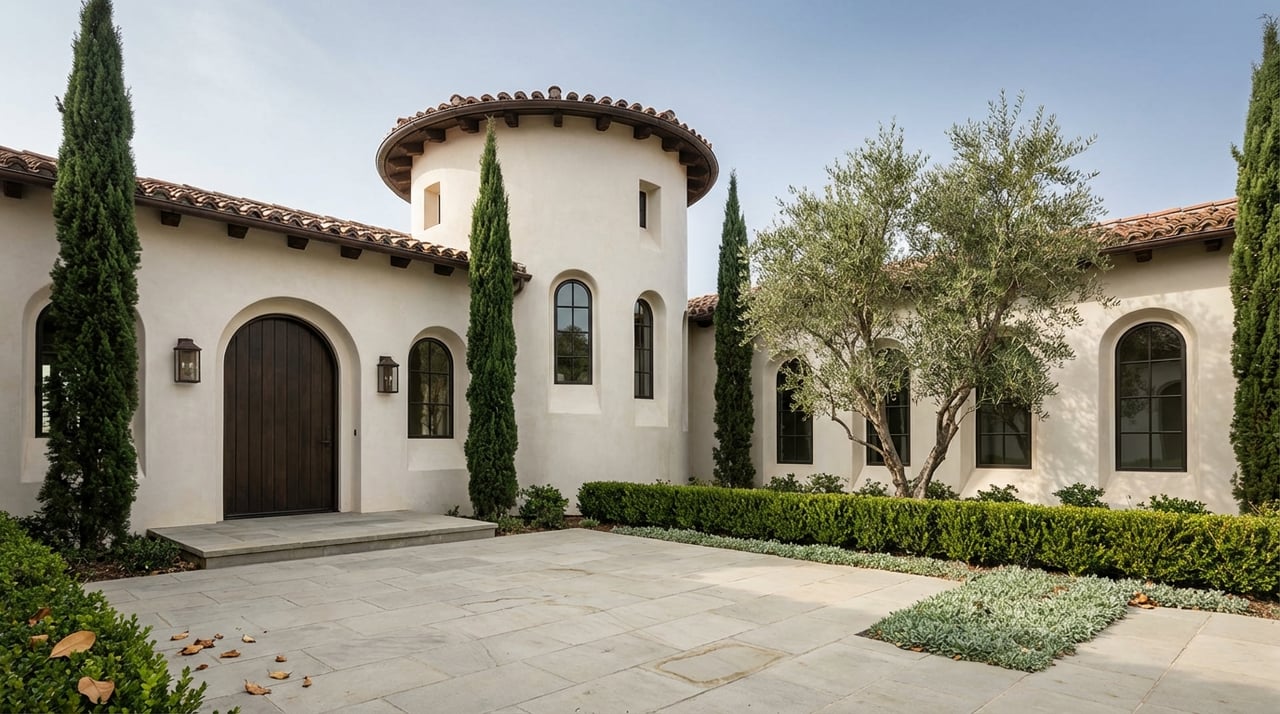
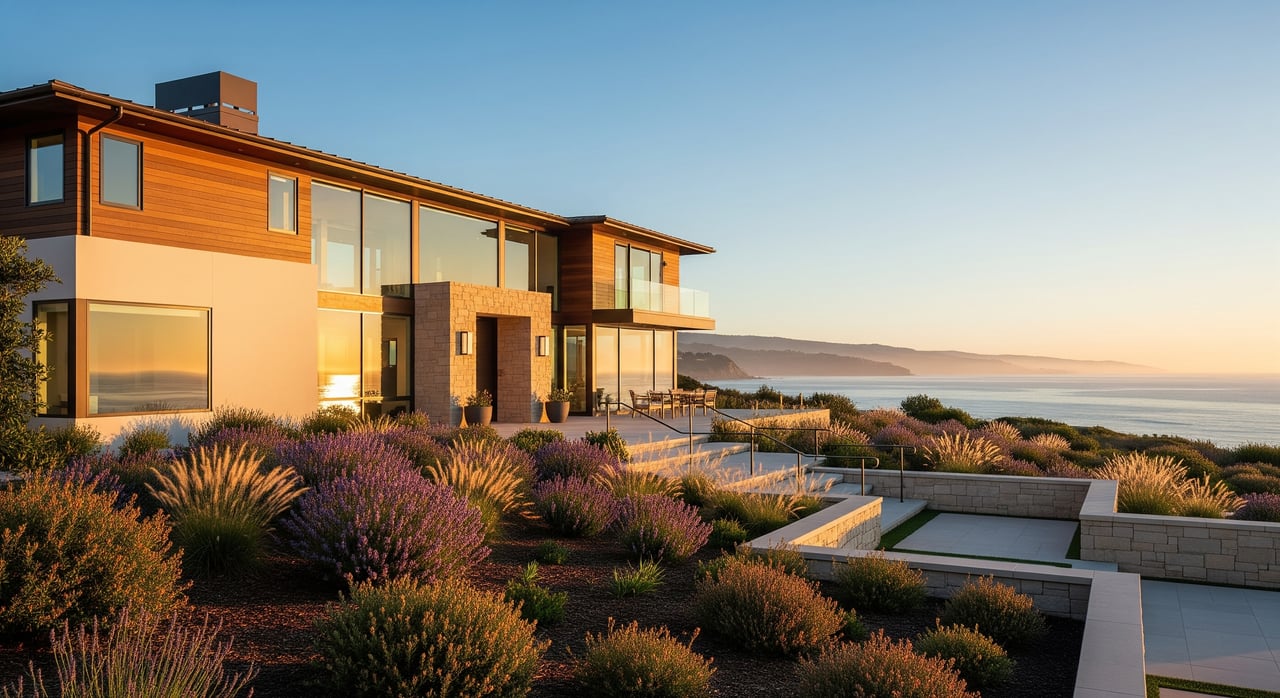
Along Seascape Boulevard and nearby streets, you will find detached homes that span from classic beach houses to larger estate‑style properties. Many list around 1,700 to 2,500 plus square feet and sit on private lots. Some streets feature homes with no HOA, which lowers fixed monthly fees but shifts all exterior, roof, yard, and systems maintenance to you. You gain privacy, space for multi‑generational stays, and flexible use, but you also take on more oversight or the cost of a third‑party manager.
Cost of entry and carrying costs
Seascape sits within the Aptos submarket, where condos and townhomes typically price below single‑family homes. As of January 2026, the local MLS summary shows a median sale price of about $946,000 for condos and townhouses versus $1.63 million for single‑family homes. That gap affects your down payment, property tax basis, and your long‑term exit strategy. You can see the countywide snapshot in the Santa Cruz County Association of Realtors January 2026 market summary.
Monthly fees and what they cover
What HOAs cover varies by association, but California’s Davis‑Stirling rules set the baseline for how common‑interest communities operate. In most Seascape‑area condos and townhomes, regular assessments fund exterior maintenance, roof replacement reserves, common‑area landscaping, shared insurance, and amenity upkeep. For a quick primer on how associations are defined and governed, see Davis‑Stirling’s overview of associations.
- Private condos and townhomes: many listings show dues around $400 to $500 per month. That buy‑in trades some private outdoor space for predictable upkeep and easier lock‑and‑leave ownership.
- Resort condos: some resort units show higher assessments. A recent listing example reflected about $1,227 per month, consistent with bundled resort services and operating costs. Expect the resort model to carry a premium for staffing and hospitality.
- Detached homes: many have no HOA. Fixed dues disappear, but all maintenance, landscaping, and roof reserves become your direct expense.
Your total cost of ownership checklist
No matter which path you choose, underwrite the full picture. Build a monthly and annual budget that includes:
- HOA dues where applicable, plus any master association fees.
- Property tax based on your purchase price and local rates.
- Homeowners insurance and, if relevant, flood insurance.
- Utilities, internet, and recurring landscape or pool service.
- Property management or housekeeping if you will not self‑manage.
- A maintenance reserve, especially for coastal wear on roofs, paint, windows, and decks.
- Potential HOA special assessments or capital projects. Under Davis‑Stirling, associations conduct reserve studies and disclose funding levels, which helps you gauge future risk. Review guidance on reserve studies and funding and request the full HOA resale package early in escrow.
Rental flexibility and income realities
County permits control short‑term rentals
If you plan to offset costs with short‑term rentals, start with the county rulebook. Santa Cruz County requires permits for both vacation rentals of whole units and hosted rentals of rooms. The county also uses caps and waitlists in designated areas, and those rules apply on top of any HOA or resort rules. A property that lacks the proper permit cannot legally operate as a short‑term rental. Review application details and waitlist information through the county’s Vacation and Hosted Rental Permits page.
In multi‑family developments like condos or townhomes, the county may have more specific limits. Always confirm whether the exact unit and complex are eligible for unhosted vacation rental permits. Ask sellers for current permit documentation or waitlist status, then verify with the county.
HOA and resort rules
HOAs can restrict or prohibit short‑term rentals even when the county permits them. Some associations allow only 30‑day minimum leases. Others allow hosted rentals but not whole‑unit vacation rentals. The Seascape Beach Resort’s owner program provides a built‑in rental structure for resort condos, but participating units also follow resort policies and program requirements. For second‑home buyers who want the simplest path to occasional renting, a resort unit or a private condo with clearly stated rental permissions can be a straightforward fit, provided the county also approves.
What nightly rates might look like
Published vacation listings for 2‑bedroom Seascape resort condos often show nightly rates in the mid‑hundreds, with higher pricing in peak seasons. A sample 2‑bedroom listing on VRBO illustrates the range and variability by date and amenities. You can review an example Seascape area 2‑bedroom rental listing as one data point, then build a model that accounts for occupancy, platform fees, cleaning, management, and county transient occupancy tax. Treat any public listing as a reference, not a guarantee.
Financing if you plan to rent
Condo projects with heavy short‑term rental use or limited owner occupancy can be treated as non‑warrantable by conventional agencies. That status changes your loan options, required down payment, and lender pool. Before you fall in love with a unit, ask your lender to check whether the project is considered warrantable or appears on relevant approval lists. For a plain‑English overview of how condo warrantability affects loans, see this summary on condo loans and requirements.
Space, privacy, and use case fit
- Lock‑and‑leave simplicity: If you visit a few times a month and value minimal chores, resort condos and certain HOAs offer the cleanest experience. The resort’s bundled services and optional rental program can simplify ownership if the county permit piece also fits your plan.
- Multi‑generational gatherings: Larger detached homes and some townhomes offer more bedrooms, private yards, and flexible sleeping setups. You gain privacy for families and guests. Just plan for full exterior upkeep and consider hiring a local manager.
- Future retirement: If you want lower physical upkeep, a well‑governed condo with solid reserves may be a better long‑term match. If privacy and a yard matter most, a detached home could be the right move. In both cases, evaluate coastal exposure, accessibility, and proximity to everyday services as you plan for longer stays.
Coastal risk, maintenance, and insurance
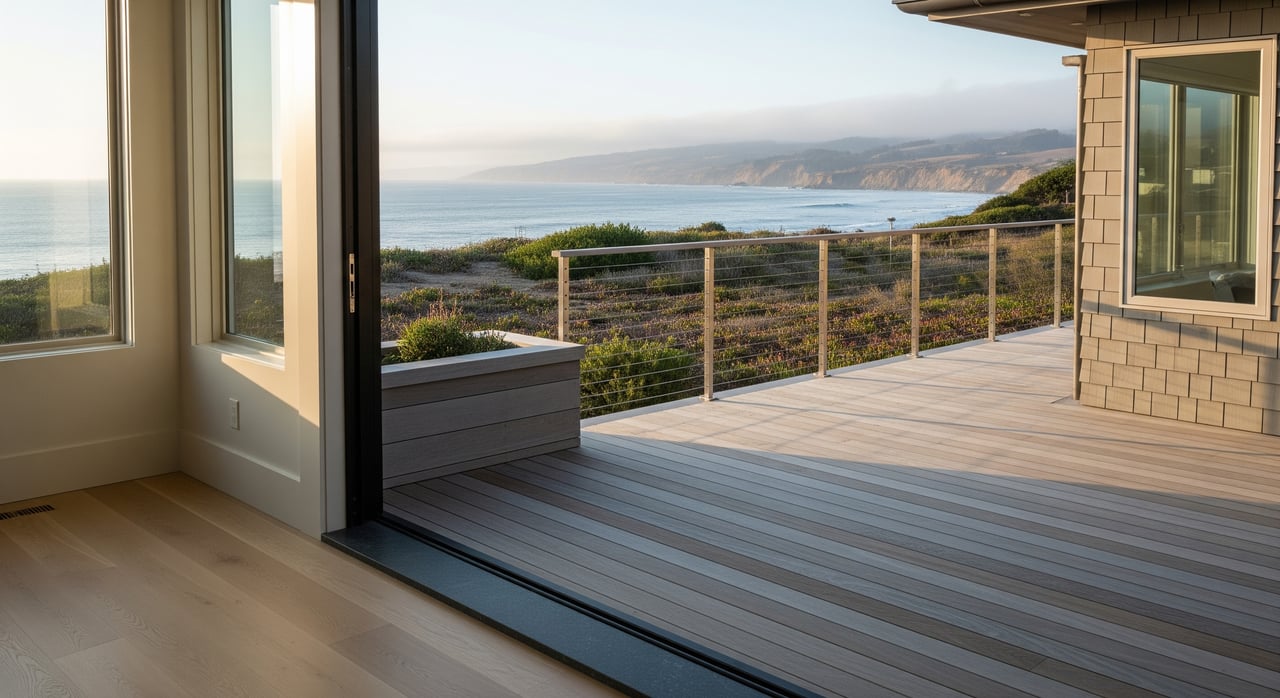
Seascape’s coastal setting is part of the magic, and it also deserves serious due diligence. Santa Cruz County planning documents and hazard reports identify parts of the Aptos and Seascape shoreline as vulnerable to erosion, storm impacts, and flood risk. This can influence insurance costs, the complexity of future permits, and the potential need for shoreline protection measures over time. For background on county hazard planning, see the local hazard mitigation plan reference.
For any beach‑proximate property, consider a few practical steps:
- Pull current FEMA flood zone maps and the county’s hazard layers.
- Ask for documentation of past bluff work or shoreline armoring if relevant.
- Budget extra for salt‑air maintenance on roofs, windows, deck hardware, paint, and coastal landscaping.
- Price insurance early. Carriers may evaluate coastal exposure differently.
Due diligence for Seascape buyers
Before you release contingencies, assemble a focused packet. These items will clarify both fit and total cost of ownership:
- HOA resale package including CC&Rs, bylaws, operating budget, reserve study and percent funded, insurance certificates, and board minutes. California’s disclosure framework and reserve study rules are summarized here: reserve studies and funding guidance.
- County short‑term rental permit status for the exact property. Confirm whether it holds a current Vacation Rental or Hosted Rental permit or sits on a waitlist under county caps. Start with the county’s Vacation and Hosted Rental Permits page.
- Flood zone and coastal hazard review, including county hazard resources and FEMA maps. The county’s hazard plan reference is a useful orientation: local hazard mitigation plan.
- Financing constraints. If buying a condo, have your lender confirm project warrantability early. See an overview of condo loan requirements and project eligibility.
- Rental modeling. Pull local comps for your exact product type. Public listings like VRBO examples can illustrate seasonal ranges, but adjust for occupancy, management, platform fees, cleaning, and taxes.
- HOA policy stability. Ask about upcoming capital projects, litigation, or rental‑policy changes. Board minutes and the reserve study usually surface these items.
Bottom line: Which should you choose
If hands‑off simplicity and on‑site services are your priority, a resort condo can be a strong match, especially if you plan occasional renting and the county permit and program rules line up. Expect higher monthly assessments in exchange for front‑desk support, housekeeping, and resort amenities.
If you want a near‑beach lifestyle with modest monthly dues, a private condo or townhome near Seascape Village may offer the best balance. You will trade some private space for predictable upkeep and easier logistics.
If space, privacy, and flexibility matter most, a detached home delivers the classic coastal experience for family and friends. Plan for full maintenance and factor in coastal wear. For any beach‑proximate address, add a deeper review of hazards, insurance, and long‑term stewardship.
When you are ready to compare live options, align permits with your rental plan, or structure a purchase around a 1031 exchange or private financing introduction, connect with the local team that treats your goals with discretion and senior‑level focus. Start a confidential conversation with The DeBernardo Team.
FAQs
What is the difference between Seascape resort condos and private condos?
- Resort condos are inside Seascape Beach Resort with optional rental program and bundled services, while private condos are standard HOA properties near the Village with typical exterior maintenance and lower dues.
Can I rent my Seascape property on Airbnb or VRBO?
- Only if both the county issues the correct Vacation or Hosted Rental permit and your HOA or resort rules allow it, as outlined by the county’s short‑term rental program.
How much are typical HOA dues in Seascape condos?
- Many private condos and townhomes show dues around $400 to $500 per month, while some resort condos show higher assessments due to bundled hospitality services.
Are Seascape properties affected by coastal erosion or flood risk?
- Parts of the Aptos and Seascape shoreline face erosion and storm risk per county hazard planning, so you should check FEMA flood zones and county hazard maps for any property under consideration.
Do detached Seascape homes usually have HOAs?
- Many detached homes near Seascape have no HOA, which eliminates monthly dues but shifts all exterior, roof, and yard maintenance to the owner.
Will a resort condo be harder to finance?
- Projects with heavy short‑term rental use can be considered non‑warrantable, which limits loan options and may require higher down payments, so confirm project eligibility with your lender early.